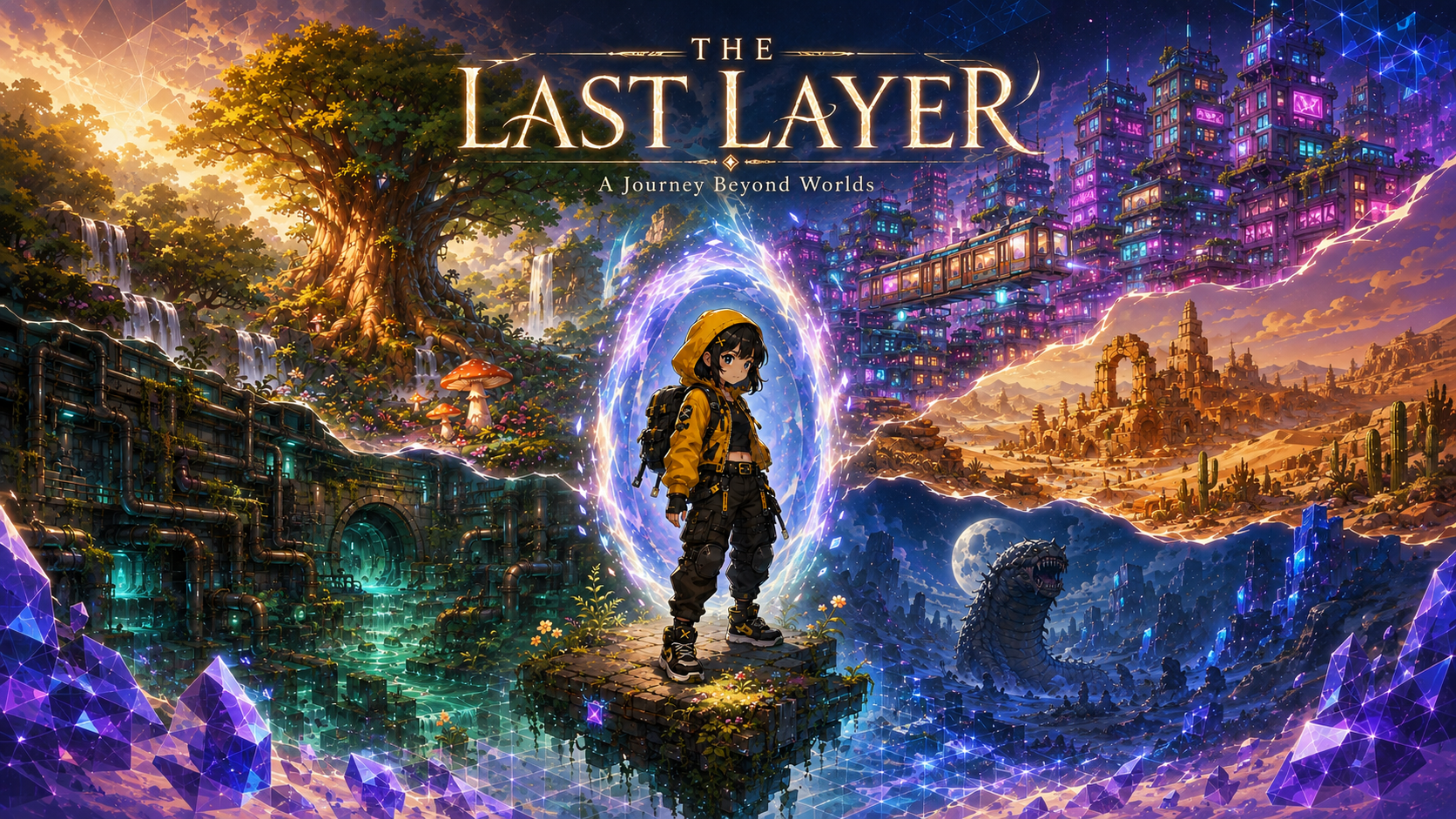
The LastLayer
AI CREATIVE TECHNOLOGY / AI-DRIVEN 2D GAME PROTOTYPE
- ComfyUI
- Flux
- GPT
- Google Flow
- Blender
- Meshy
- Tripo
- Unity
Can one AI-assisted pipeline produce a coherent playable world?
A playable 2D game prototype built to test a multi-tool, AI-assisted production process across visual development, animation, interface design and realtime assembly.
ComfyUI and advanced Flux workflows drove characters, environments, backgrounds, skyboxes and modular assets while keeping a shared visual direction across the project.
GPT supported creative and image exploration, while Google Flow and Blender contributed to animation development and preparation. A separate Meshy and Tripo branch explored AI-assisted 3D assets; Unity handled animation tooling, materials, shaders and realtime integration inside the prototype pipeline.
- Format
- Playable 2D prototype
- Focus
- Multi-tool AI production
- Output
- Realtime integration
The Last Layer — Project Reel
A focused overview of The Last Layer’s AI-assisted production process, from visual development and asset generation to animation, UI, world building and final realtime integration.
Separate disciplines, one production spine.
The experiment was structured as a connected pipeline rather than a collection of isolated generations. Every branch moves toward the same realtime prototype.
- 01Ideation / GPT
- 022D visuals / ComfyUI + Flux
- 03Motion / Google Flow + Blender
- 043D assets / Meshy + Tripo
- 05Realtime / Unity
- 06Playable game prototype
- Character
- Environment
- Background
- Assets
- Animation
- User interface
- Music
From a reference identity to a production-ready visual direction.
Character development established the palette, silhouette and stylized language that informed the wider game world and its motion tests.
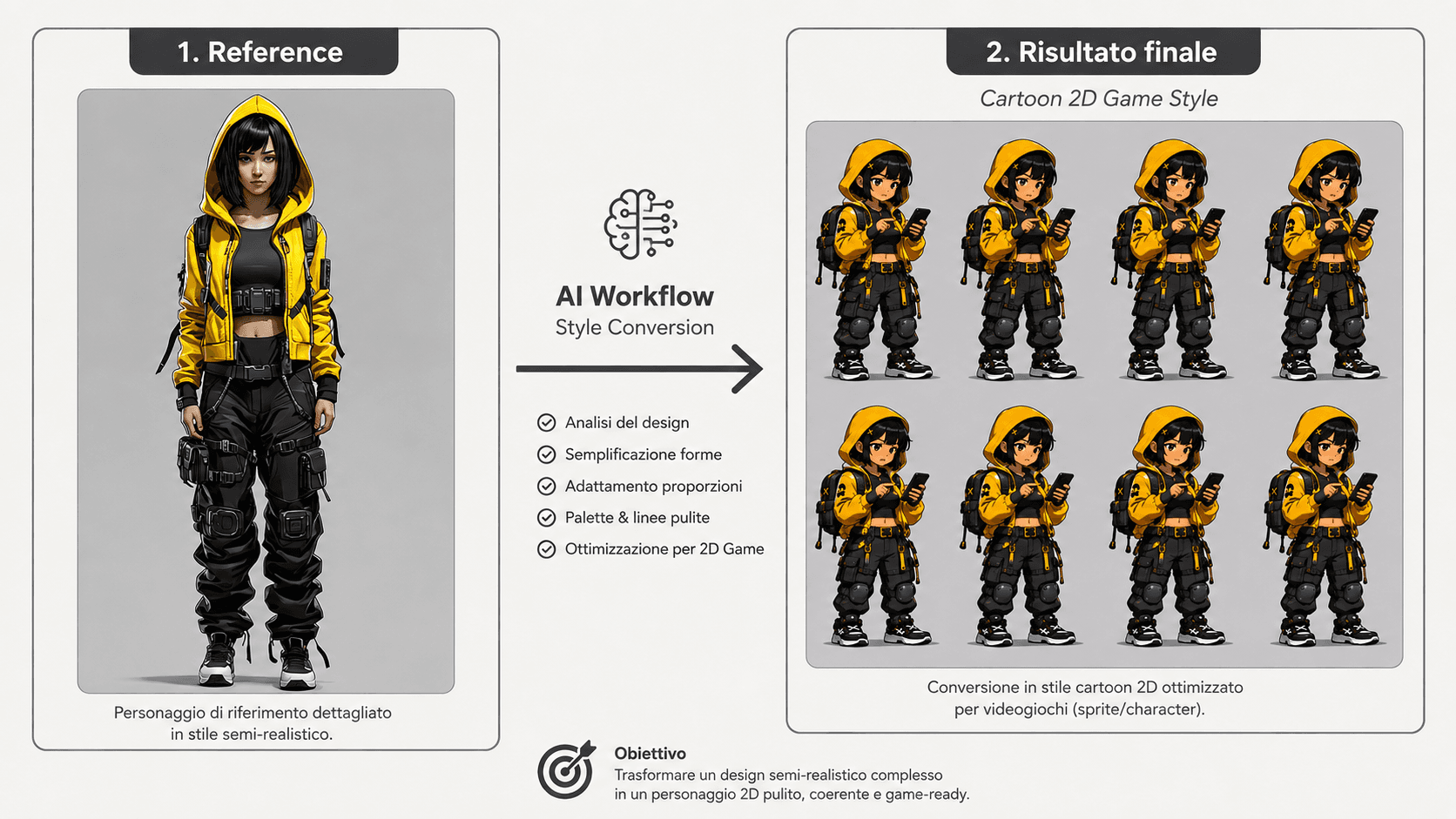
Character reference to final 2D visual language
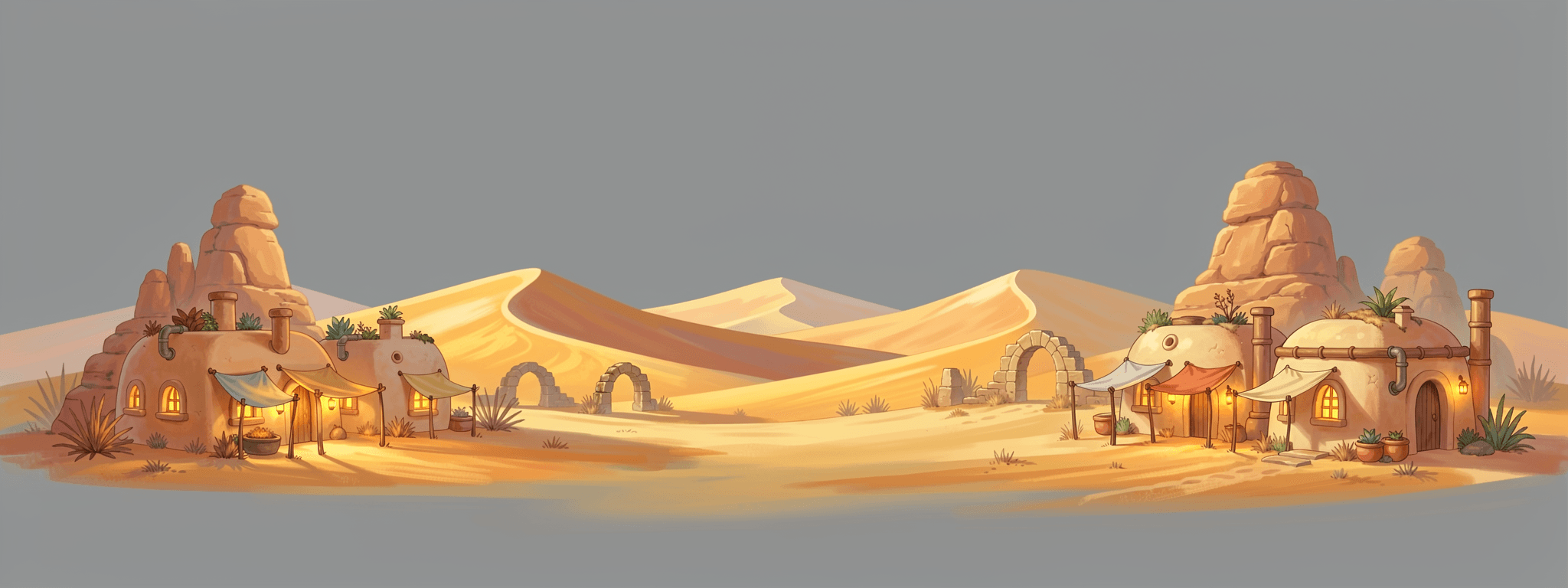
A visual system designed across four distinct biomes.
The environment set moves from broad biome direction into ordered background layers that can support side-scrolling depth and modular scene construction.
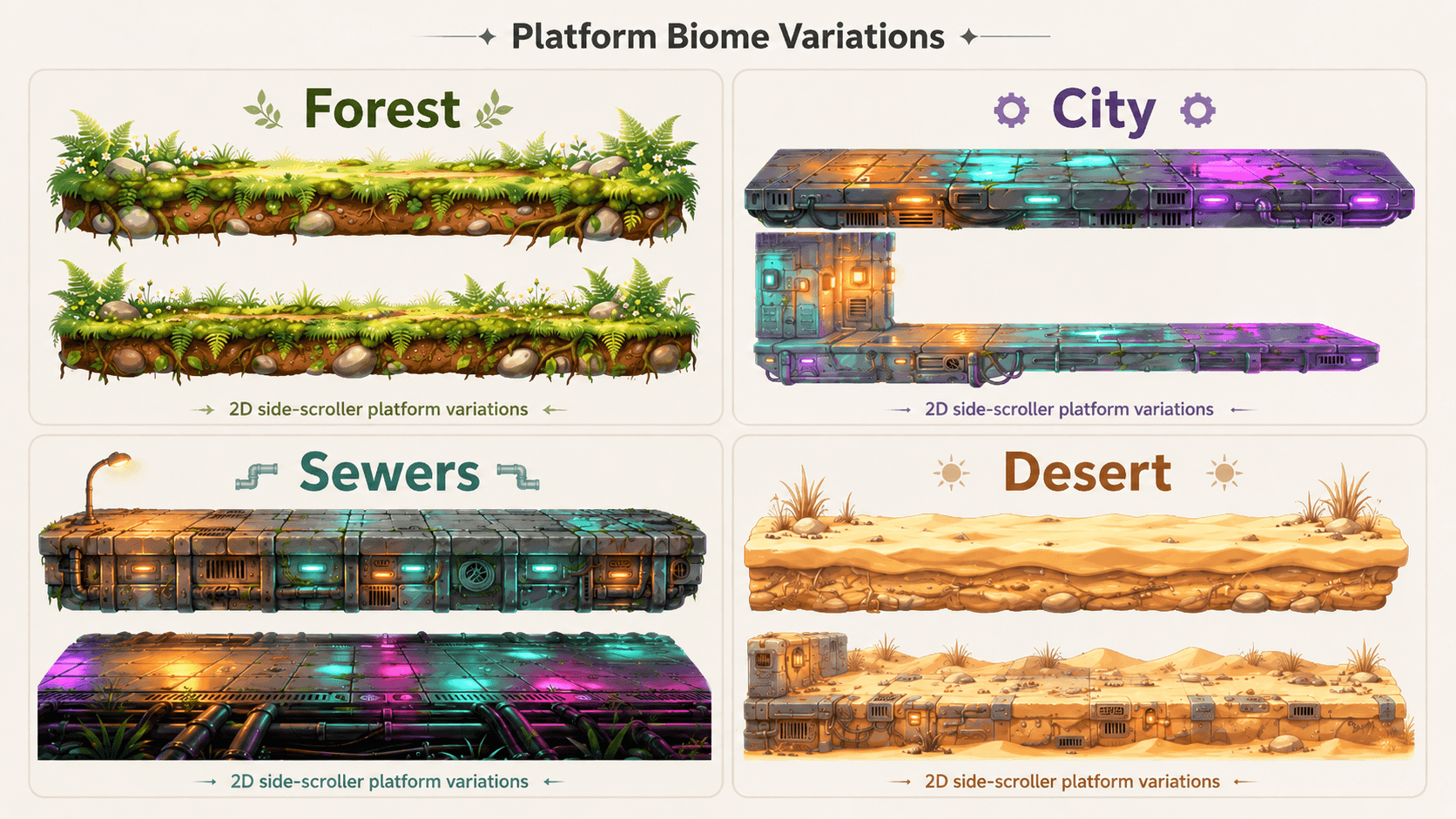
Four-biome environment study
Forest
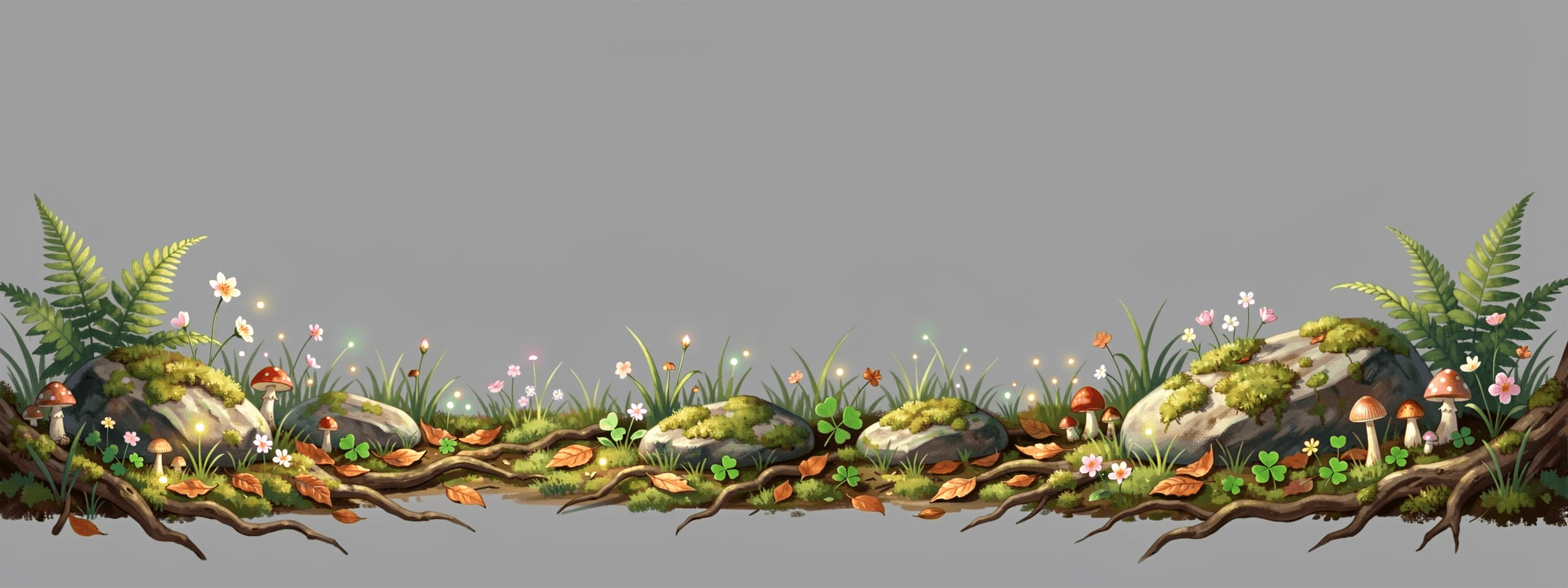
Forest production layer
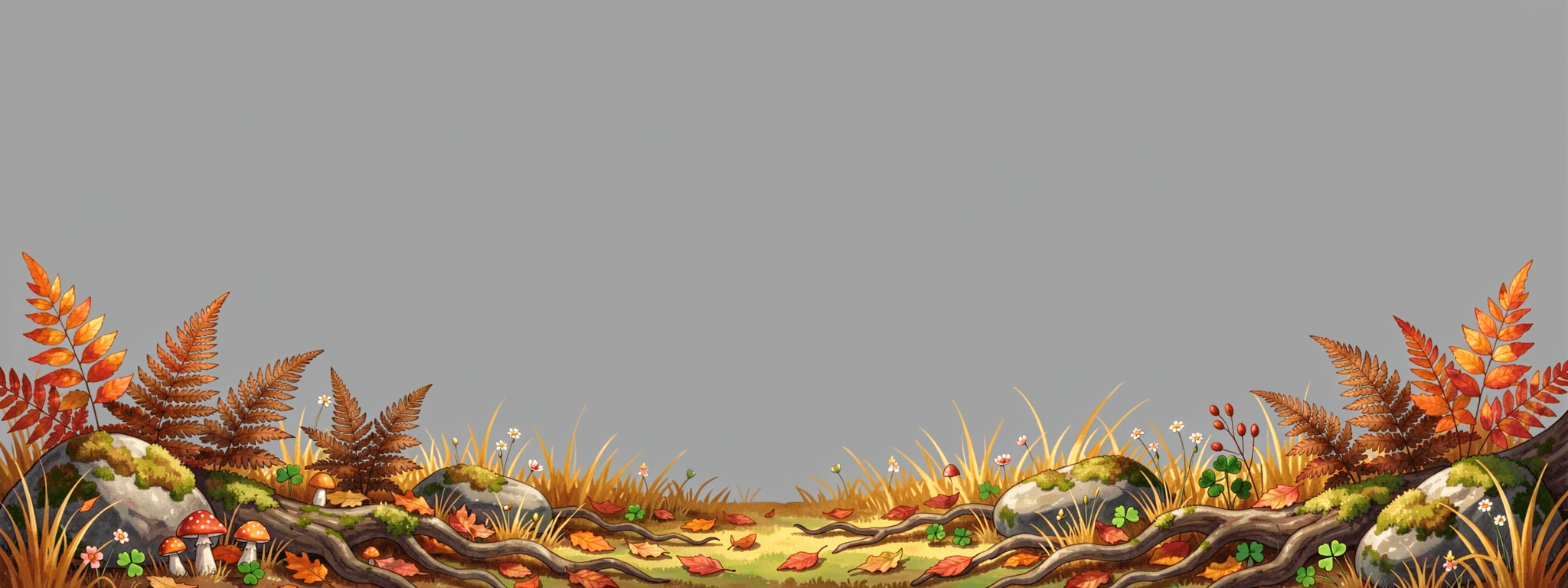
Forest production layer

Forest production layer
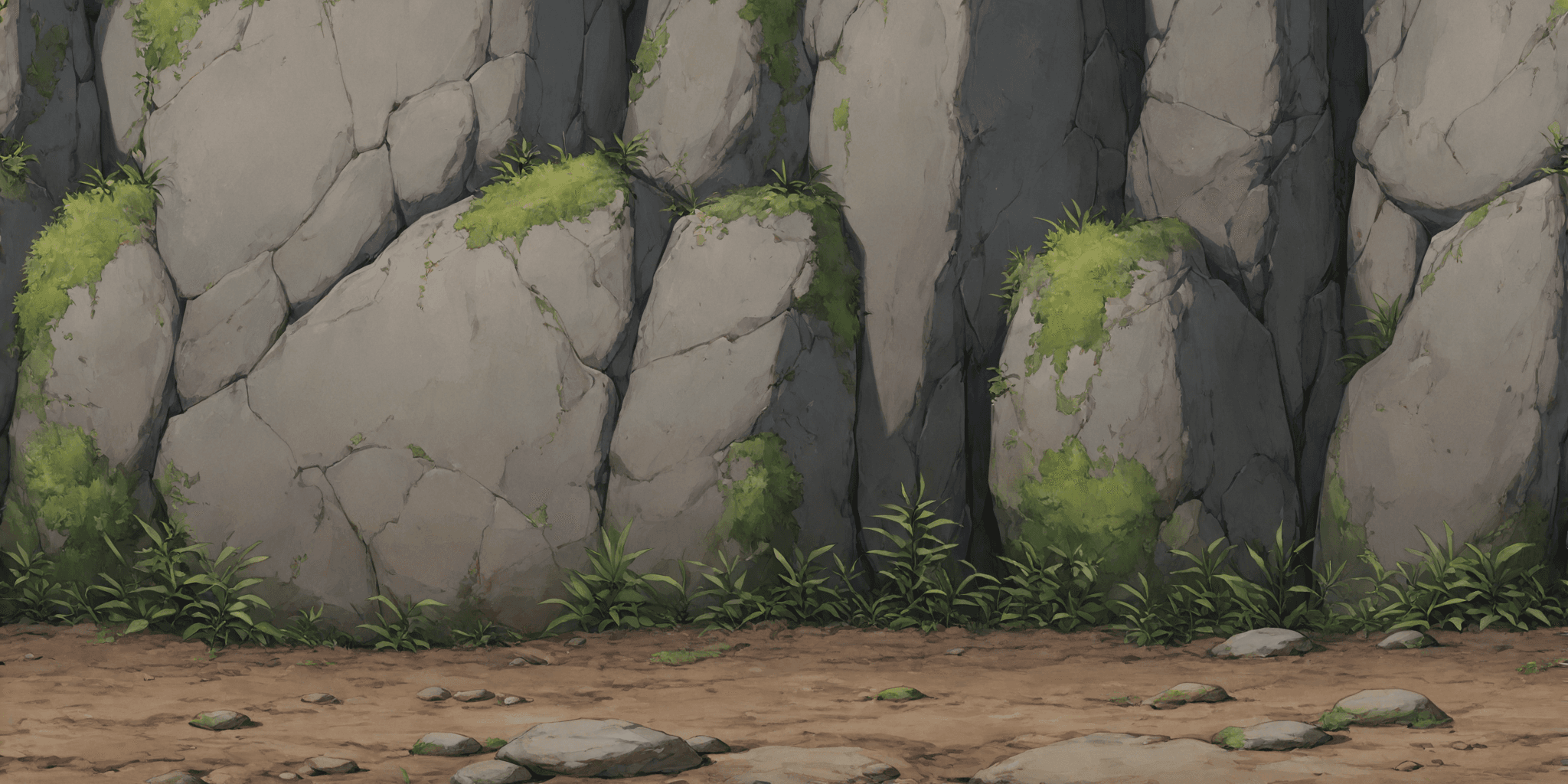
Forest production layer
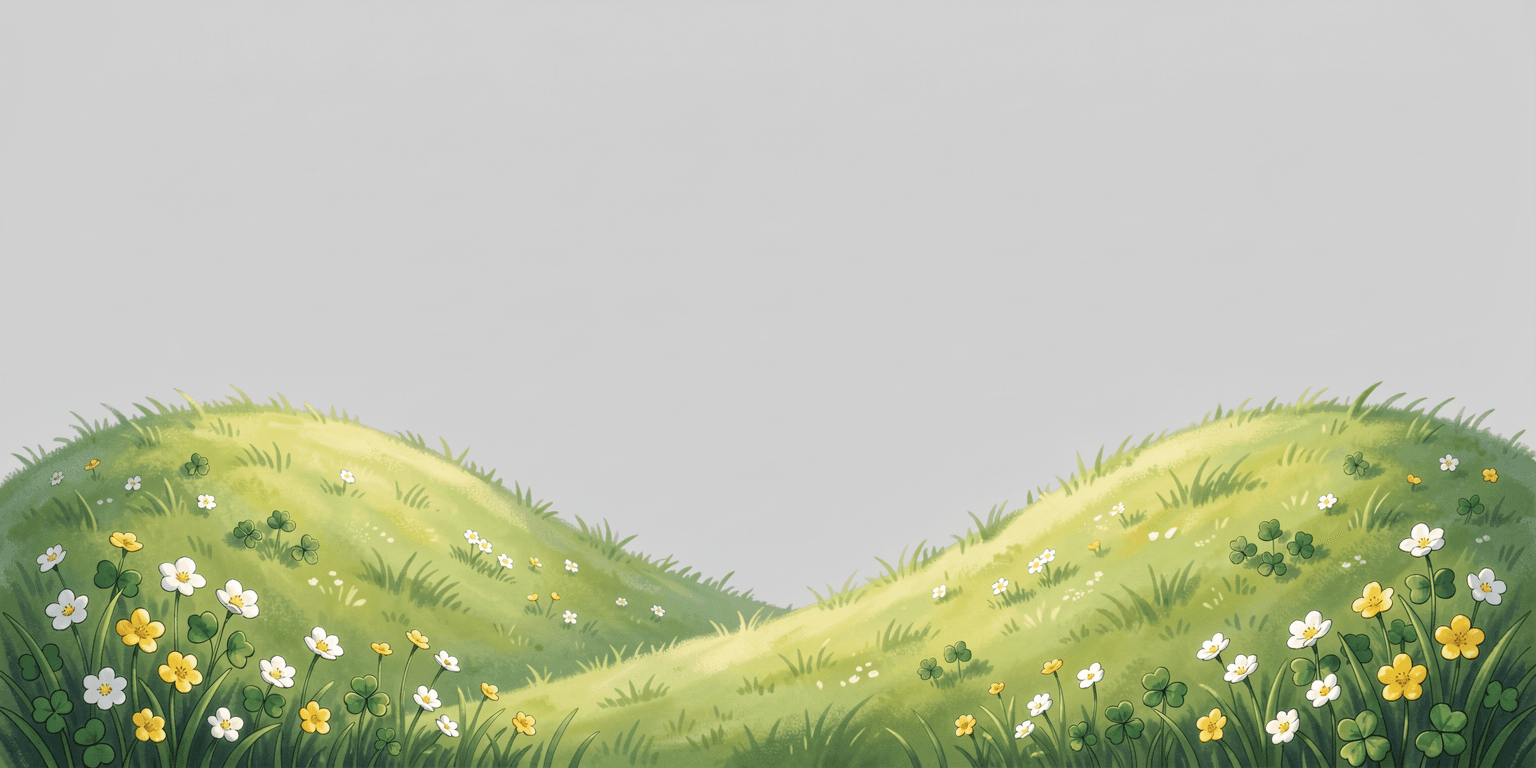
Forest production layer

Forest production layer
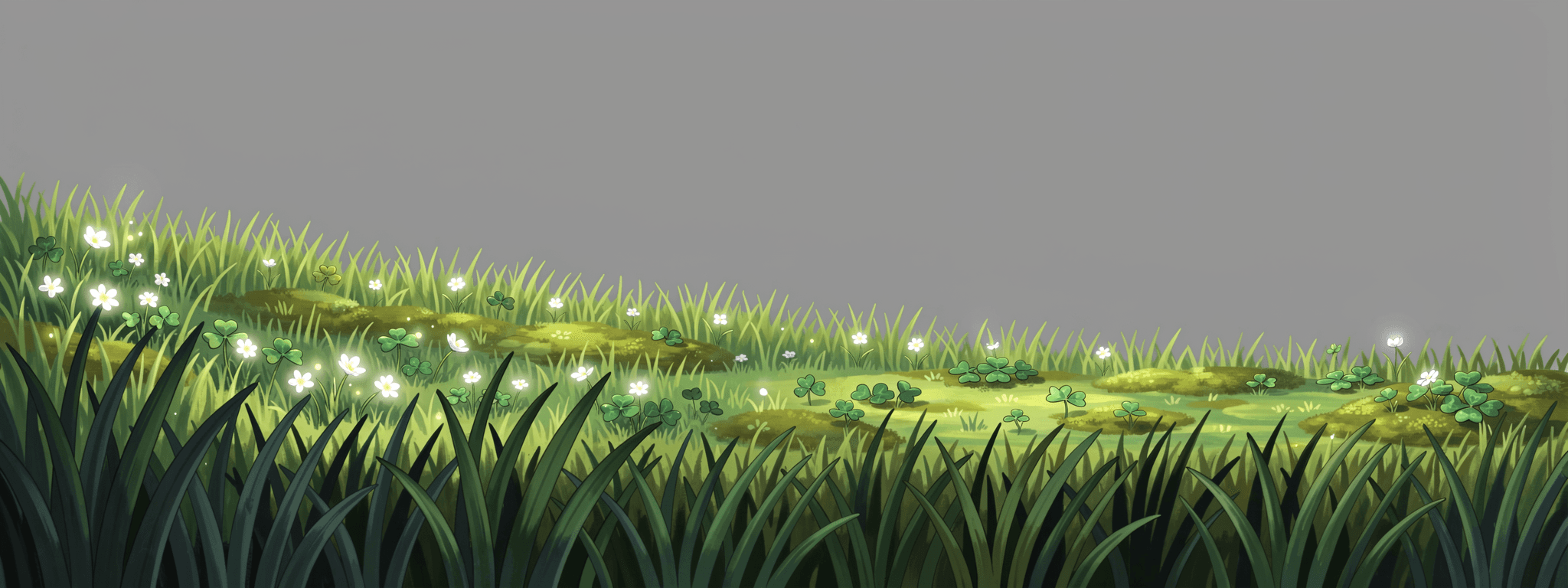
Forest production layer
City
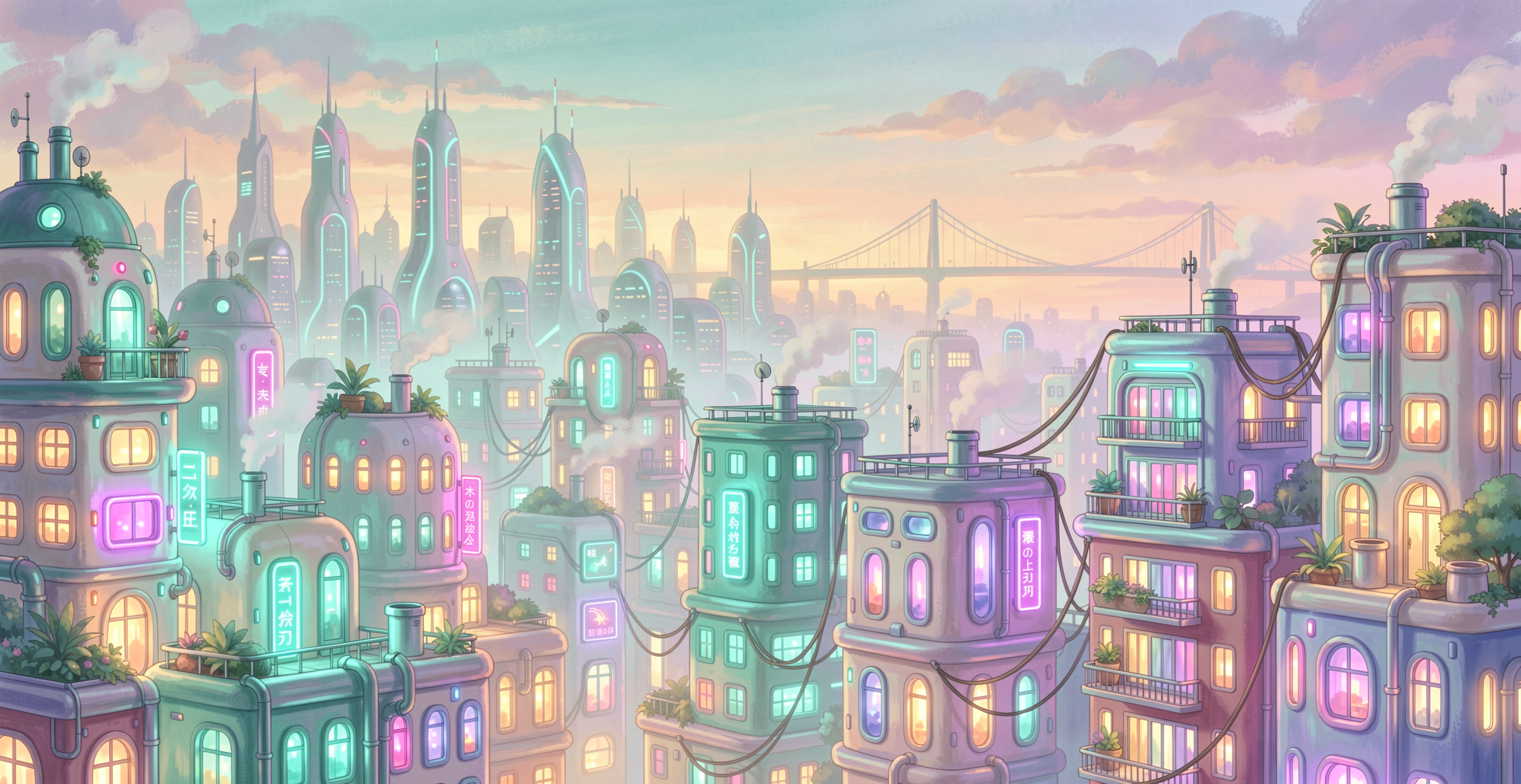
City production layer
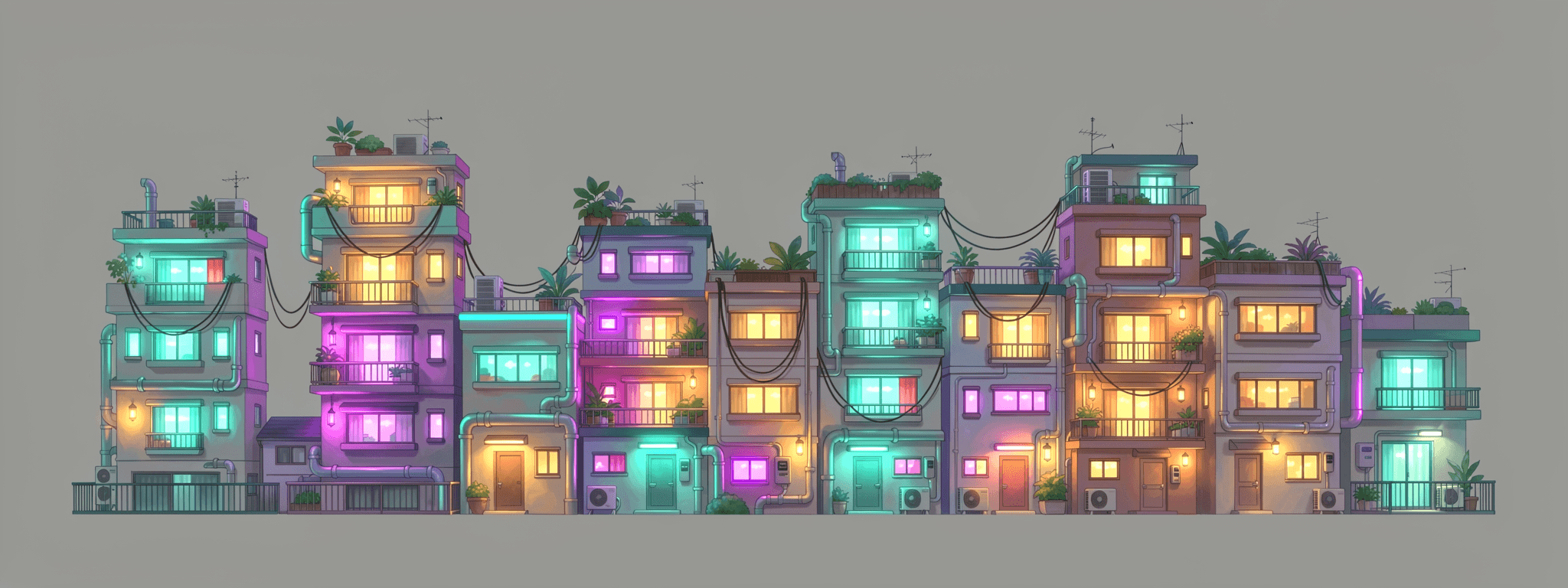
City production layer
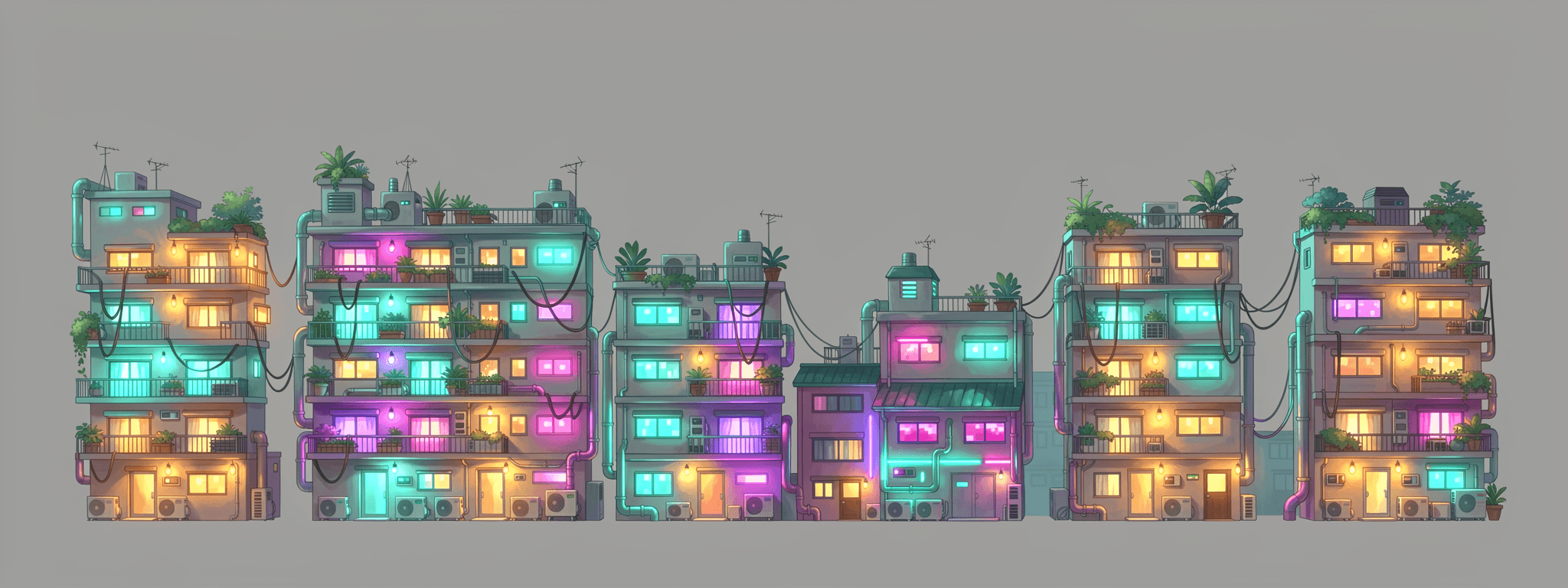
City production layer
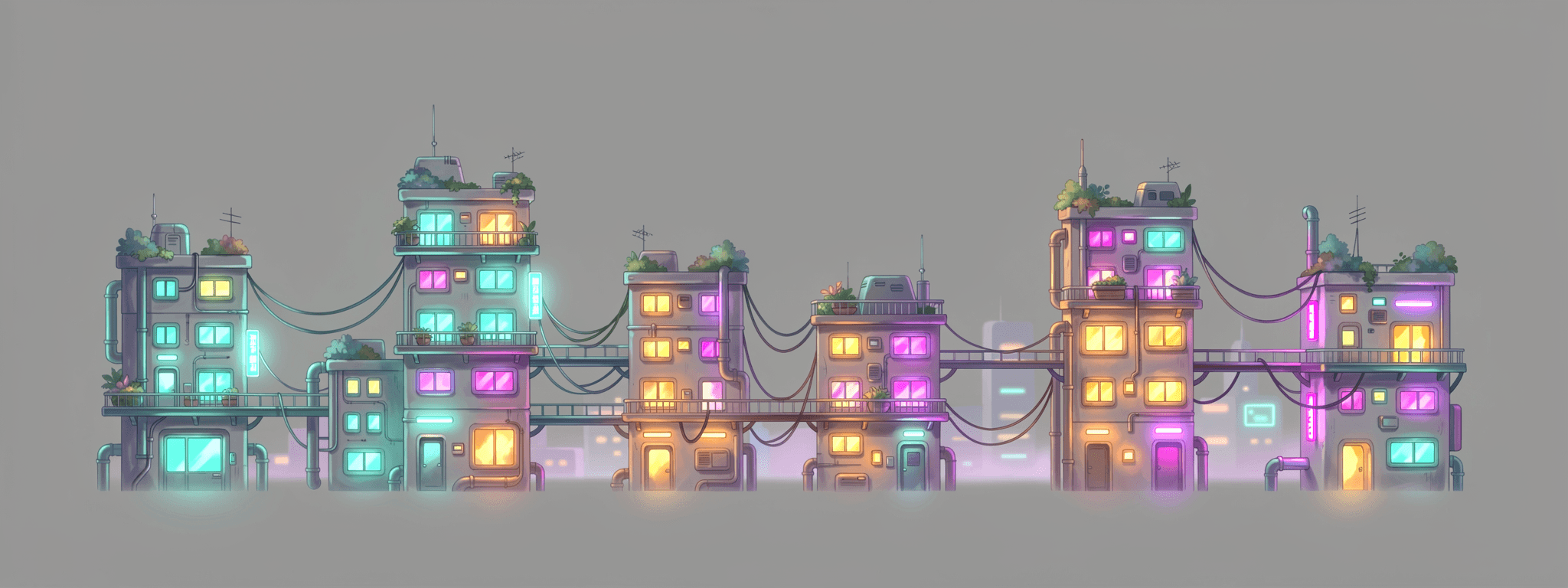
City production layer
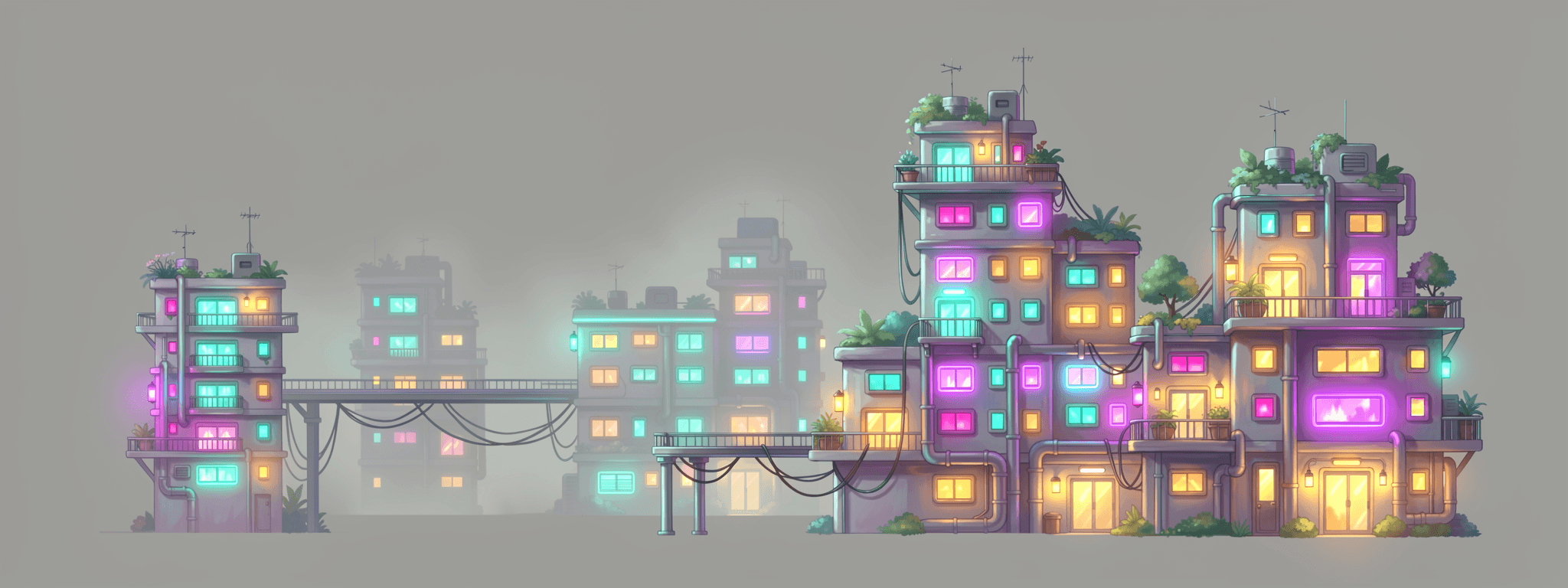
City production layer
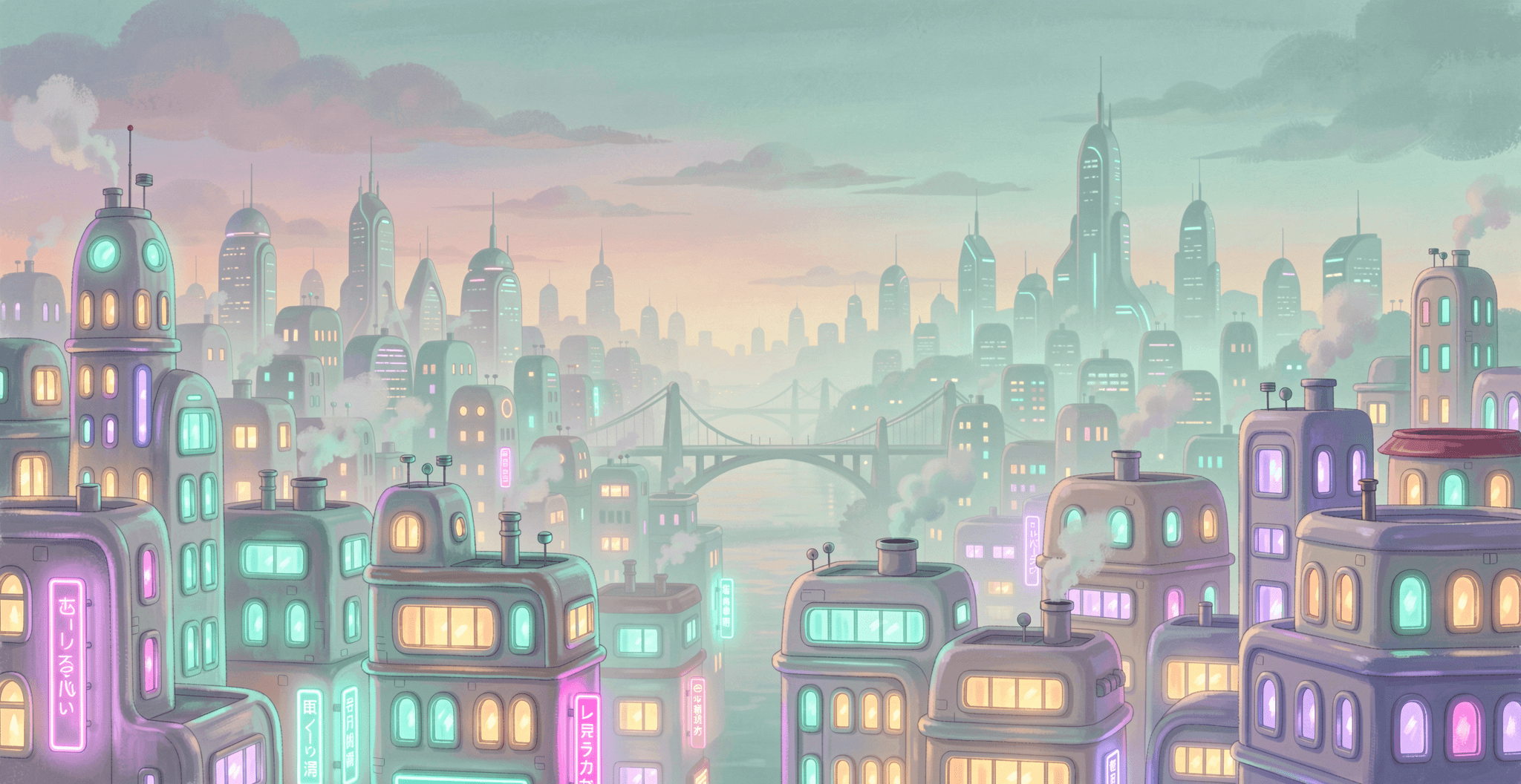
City production layer
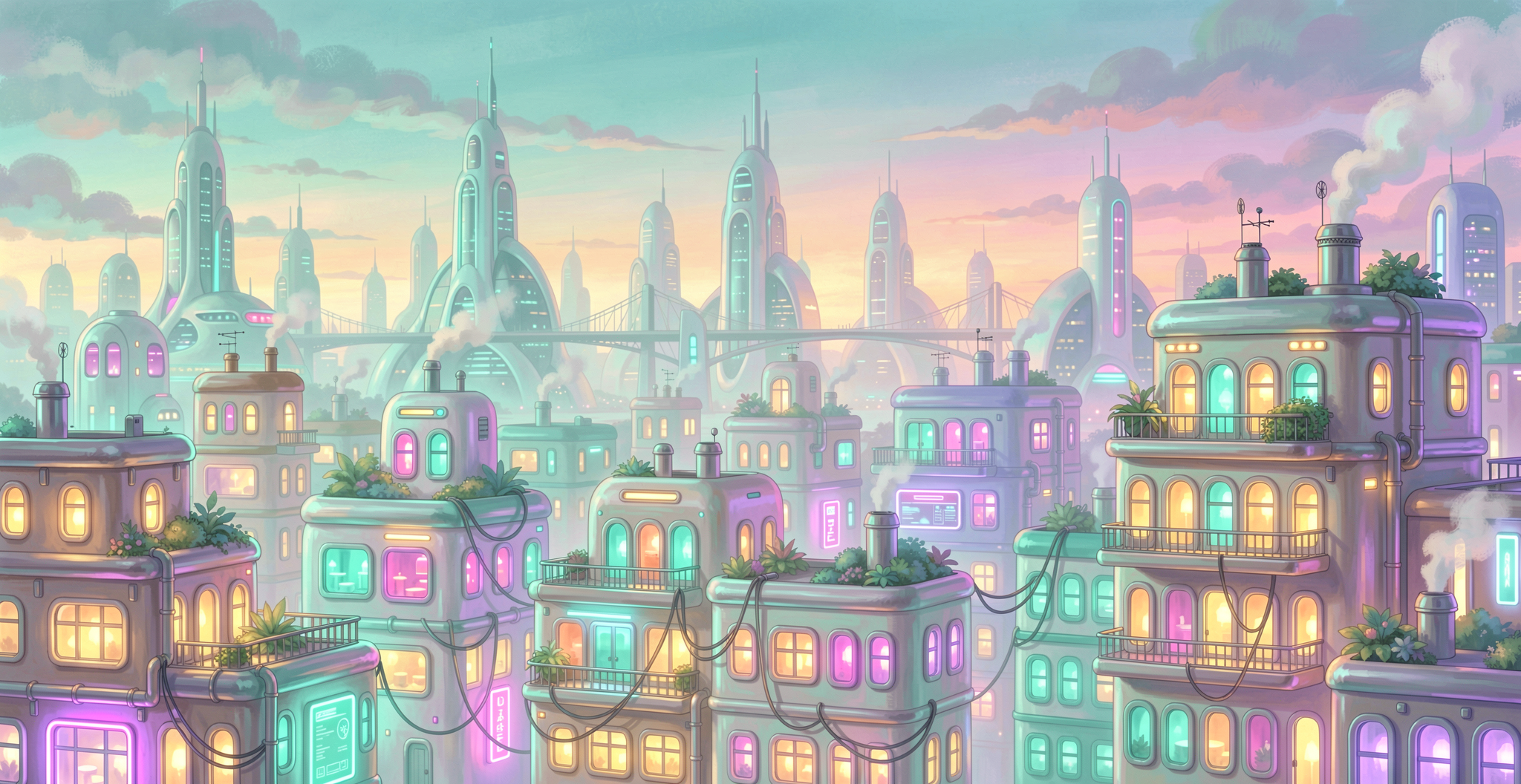
City production layer
Sewers
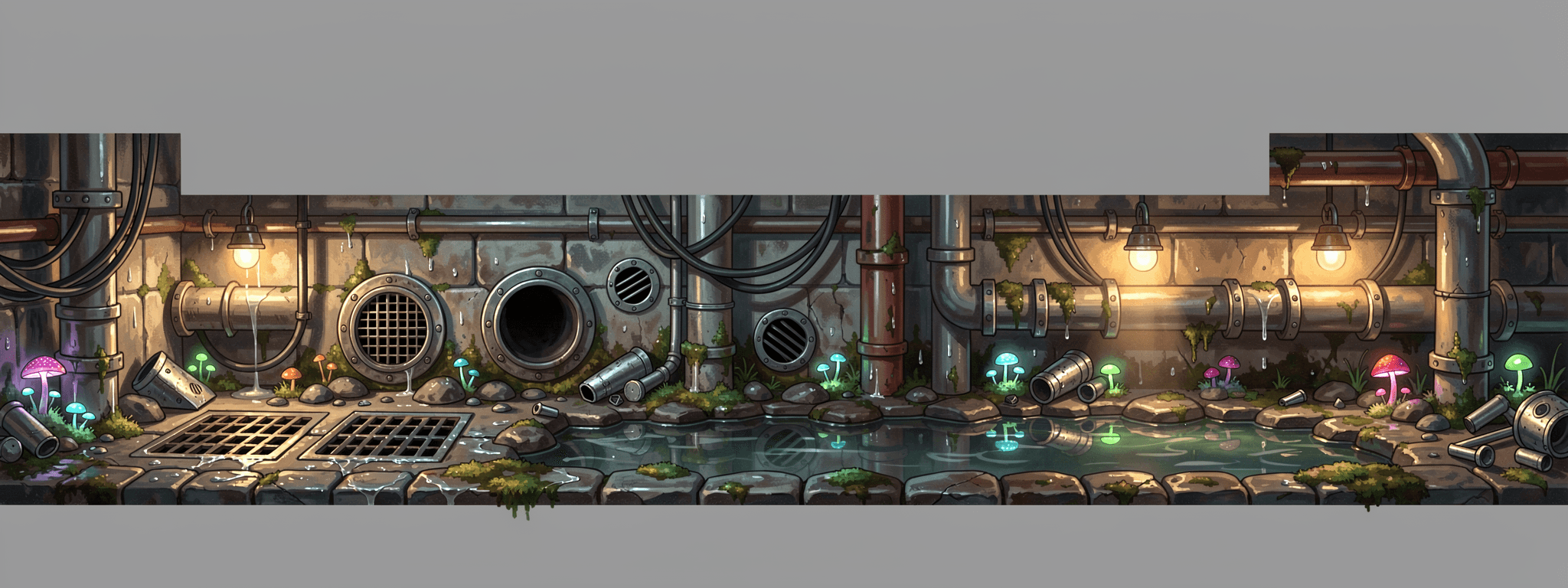
Sewer production layer
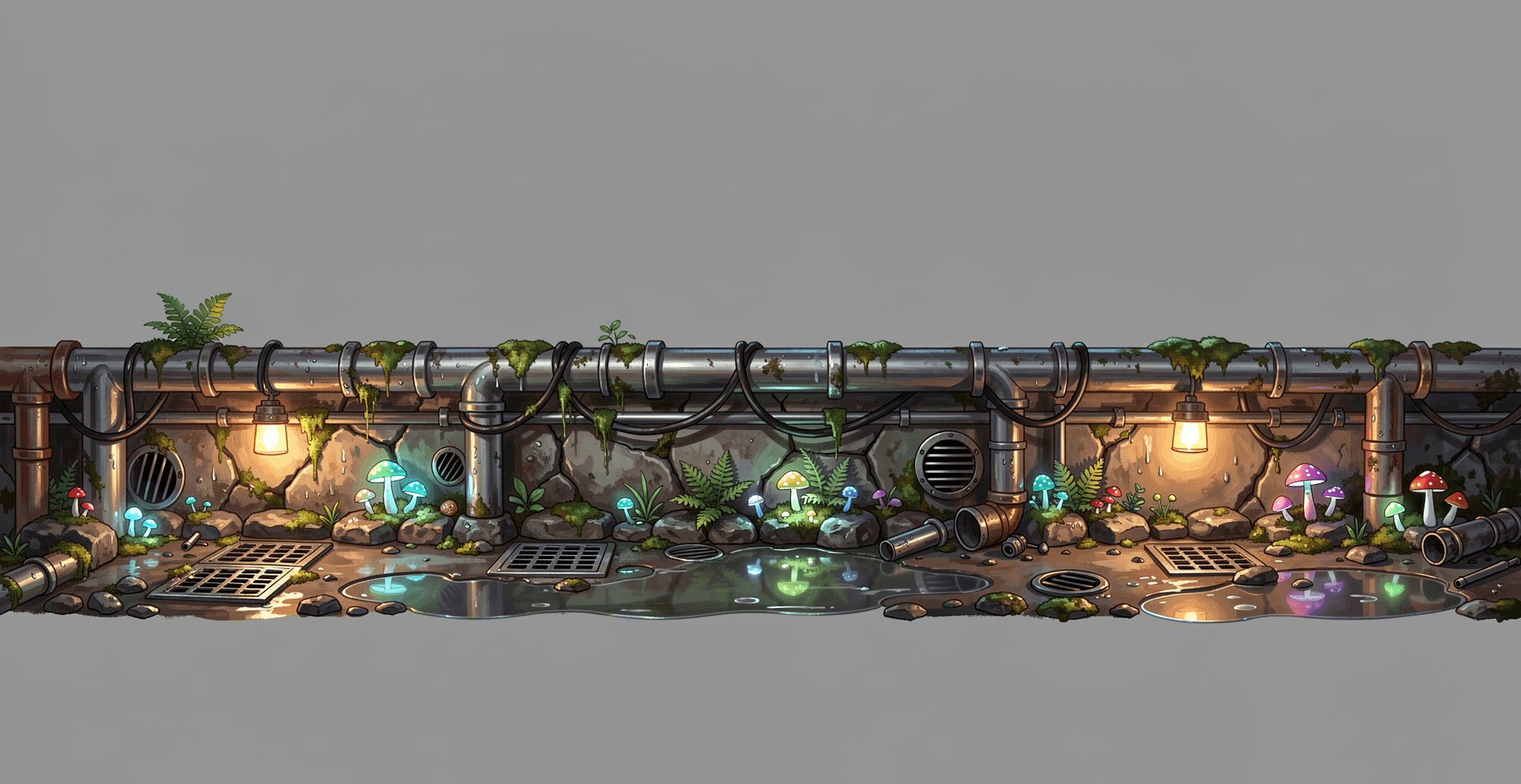
Sewer production layer
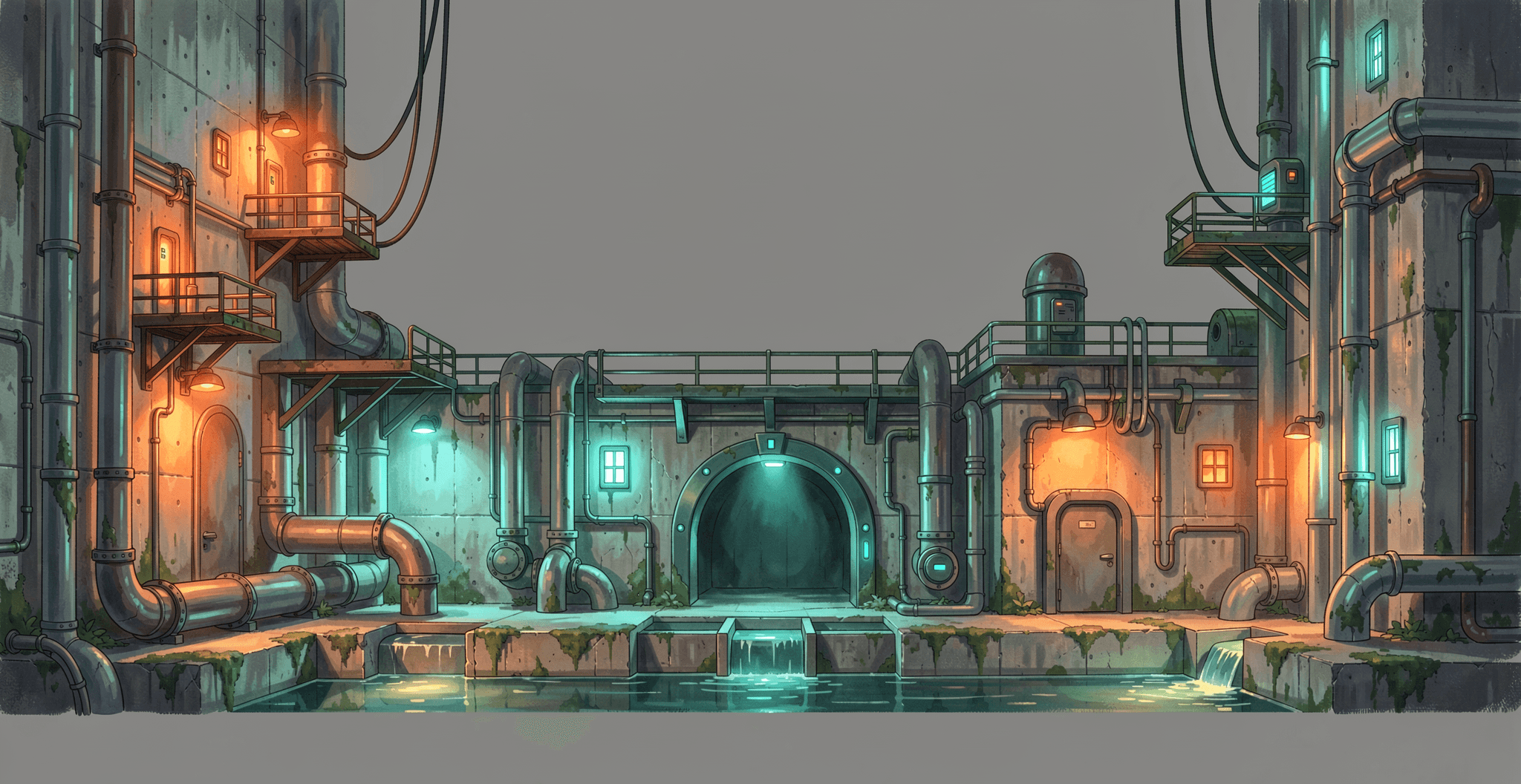
Sewer production layer
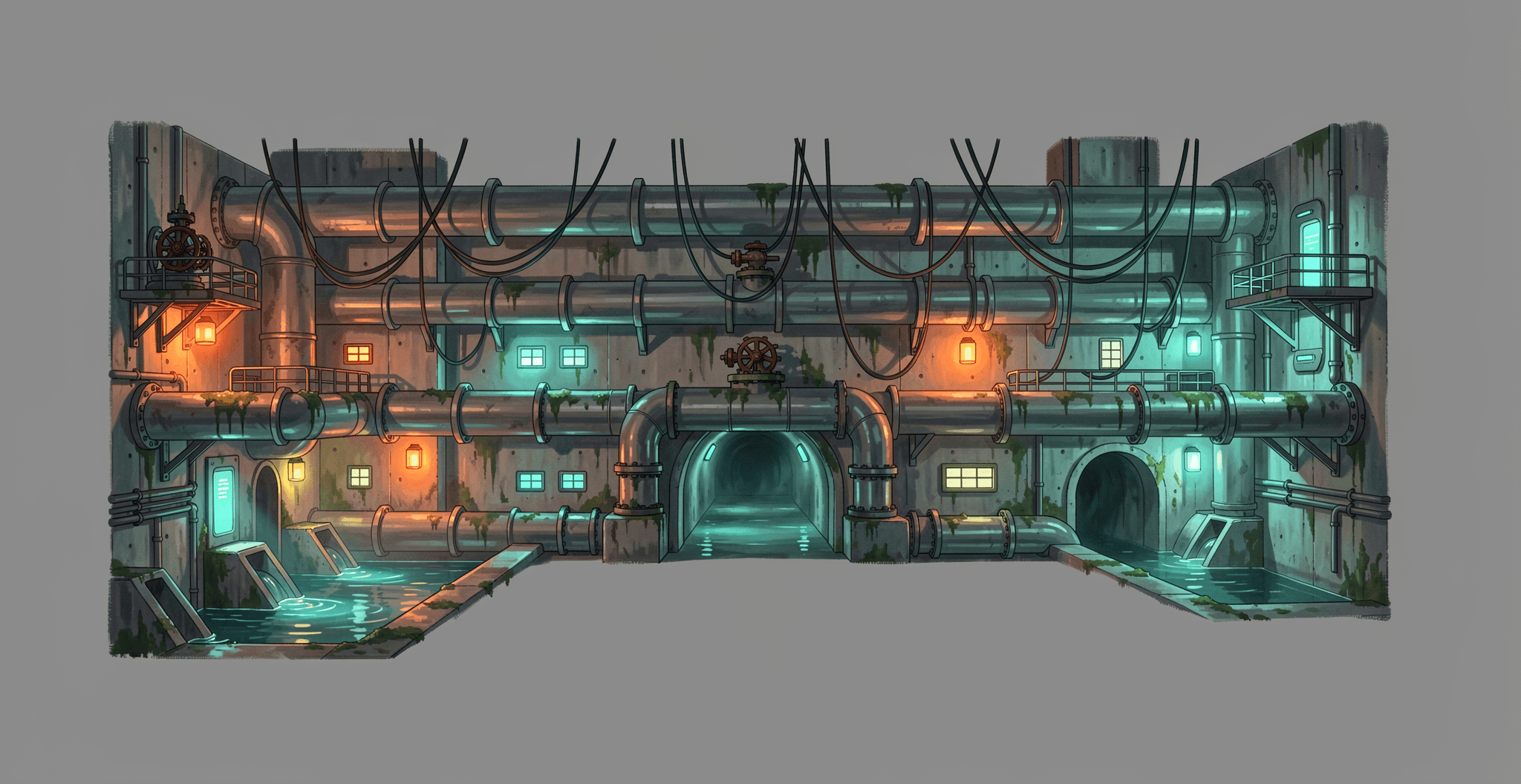
Sewer production layer
Desert
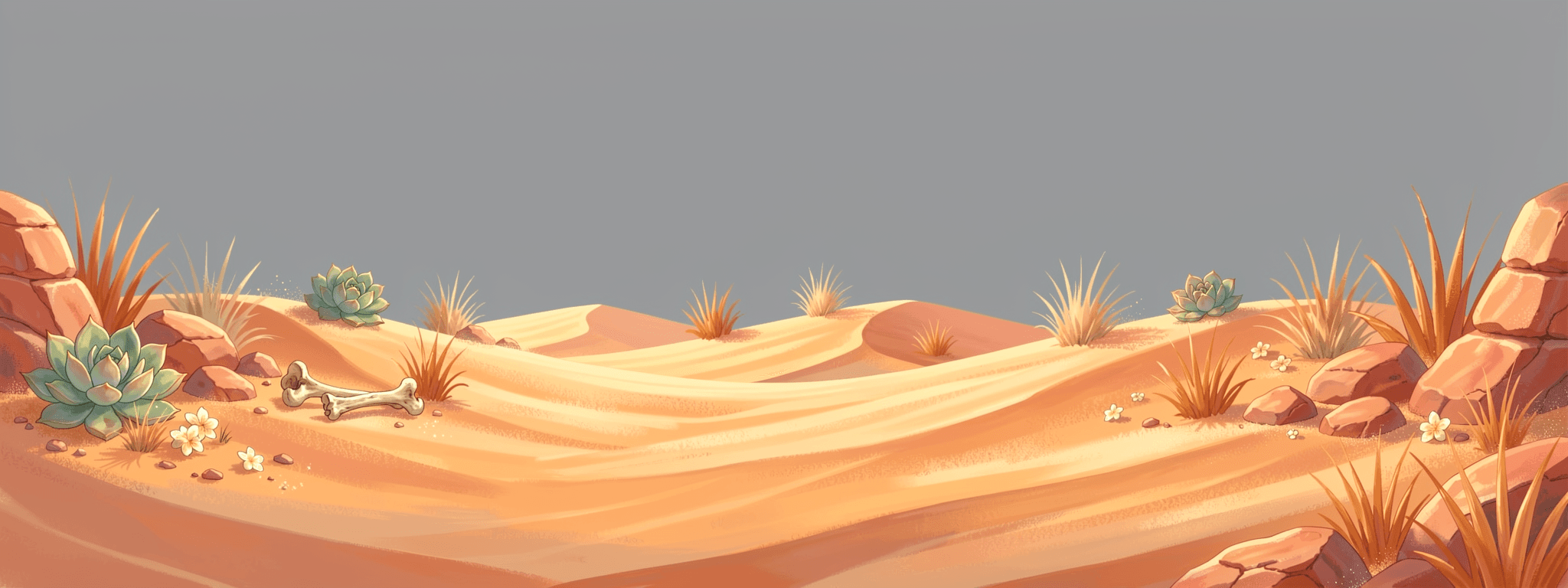
Desert production layer
Desert production layer
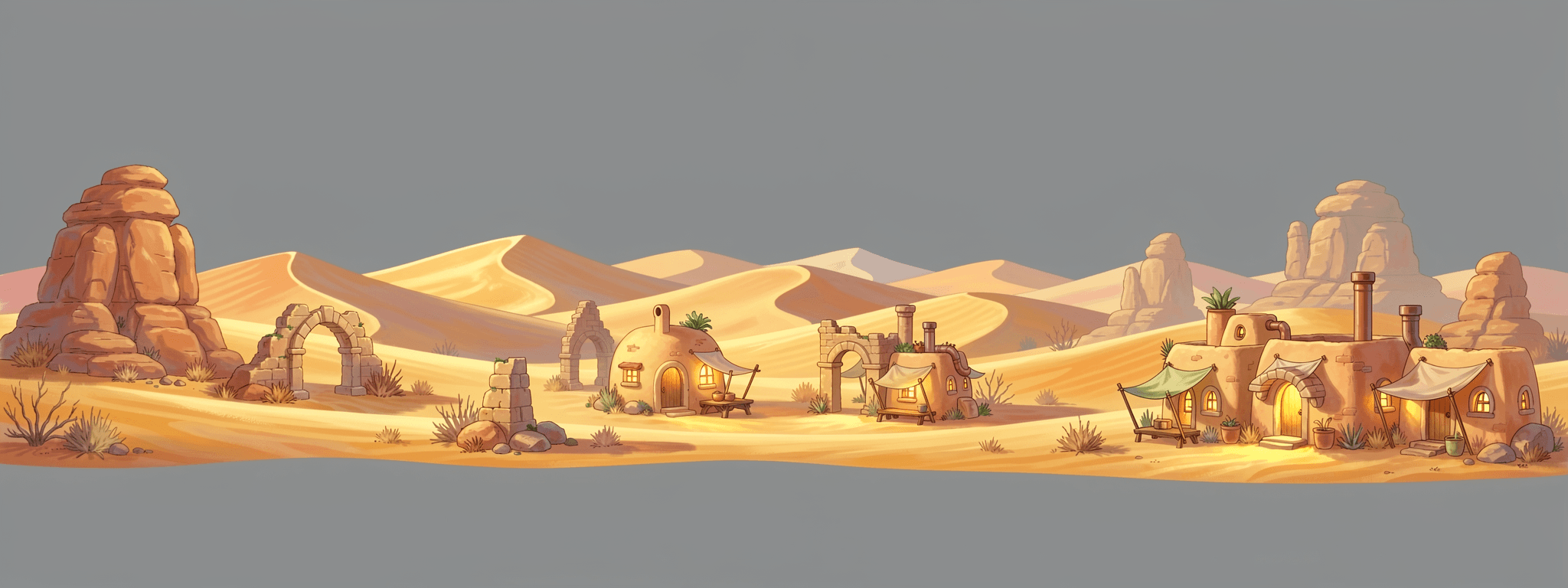
Desert production layer
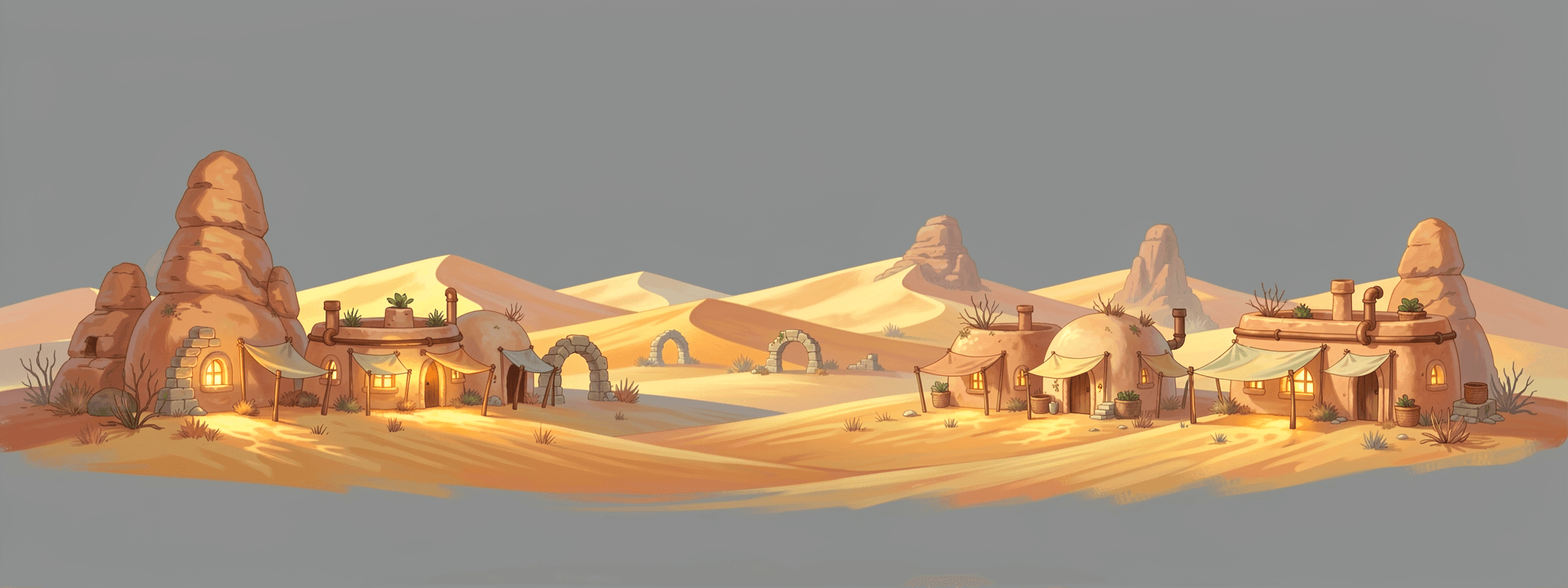
Desert production layer
A modular neon district built as an ordered visual kit.
Nine environment modules explore storefronts, skyline pieces and cyberpunk architectural language while preserving a consistent side-view presentation.
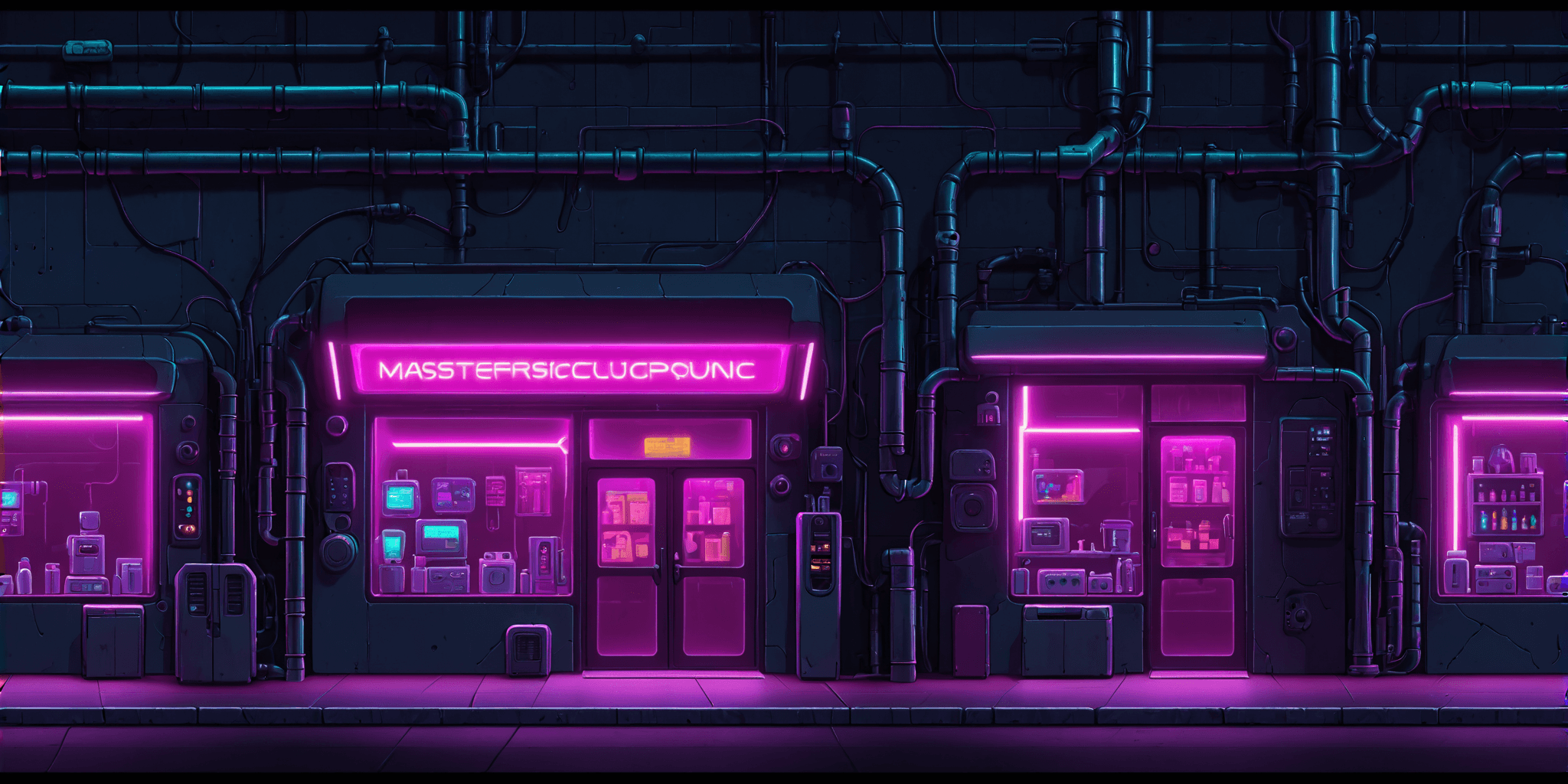
Neon city environment module
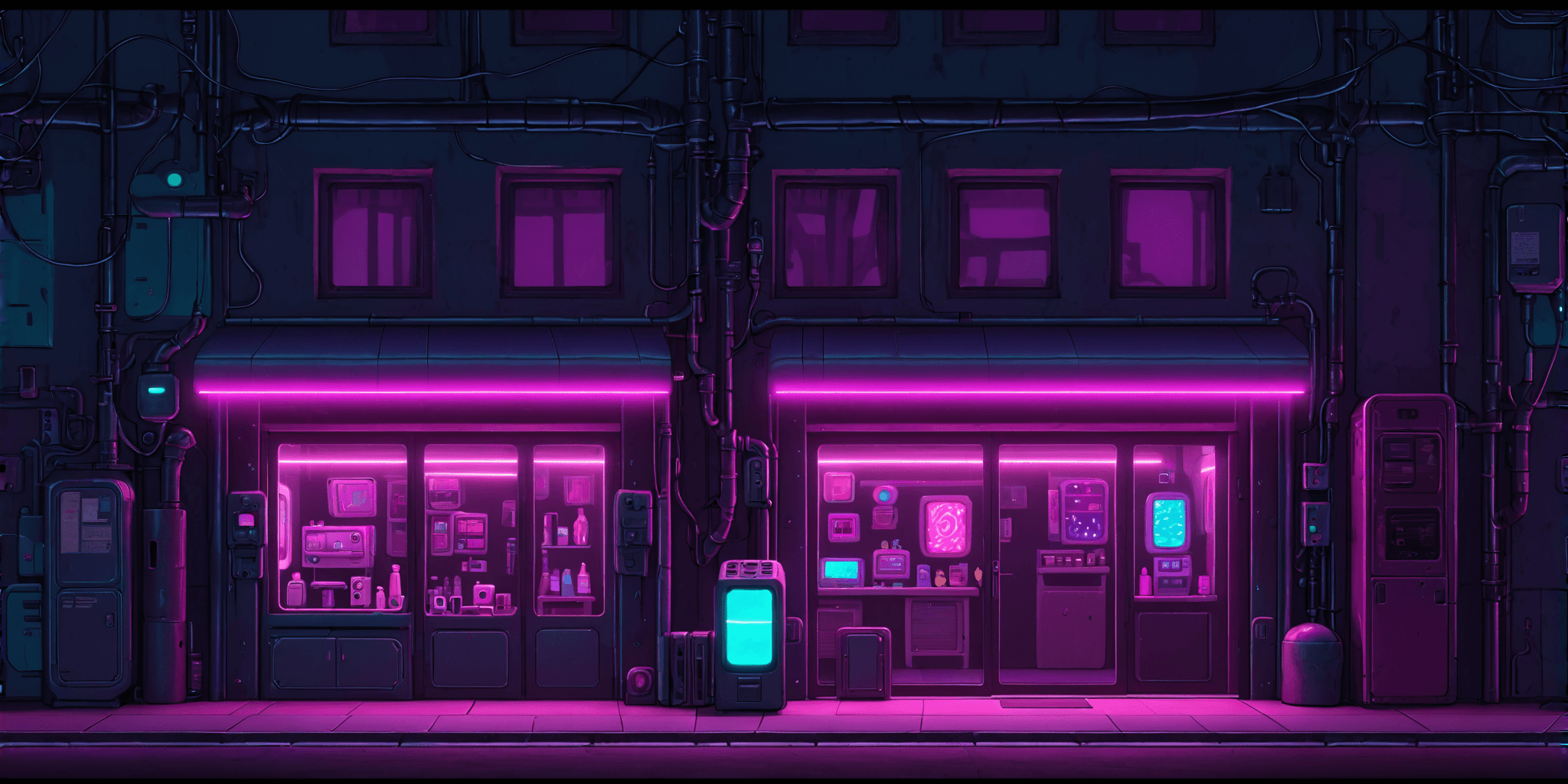
Neon city environment module
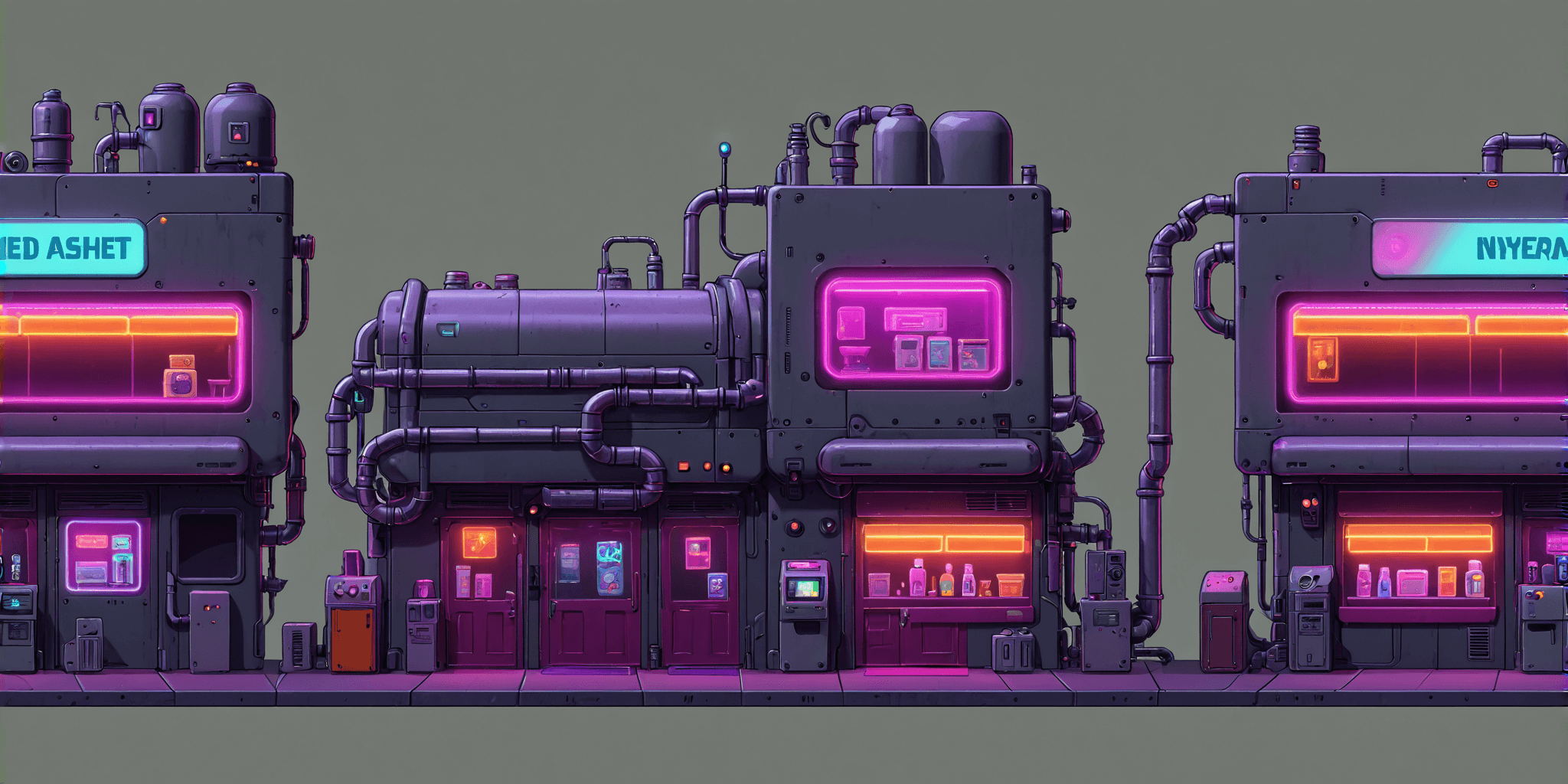
Neon city environment module
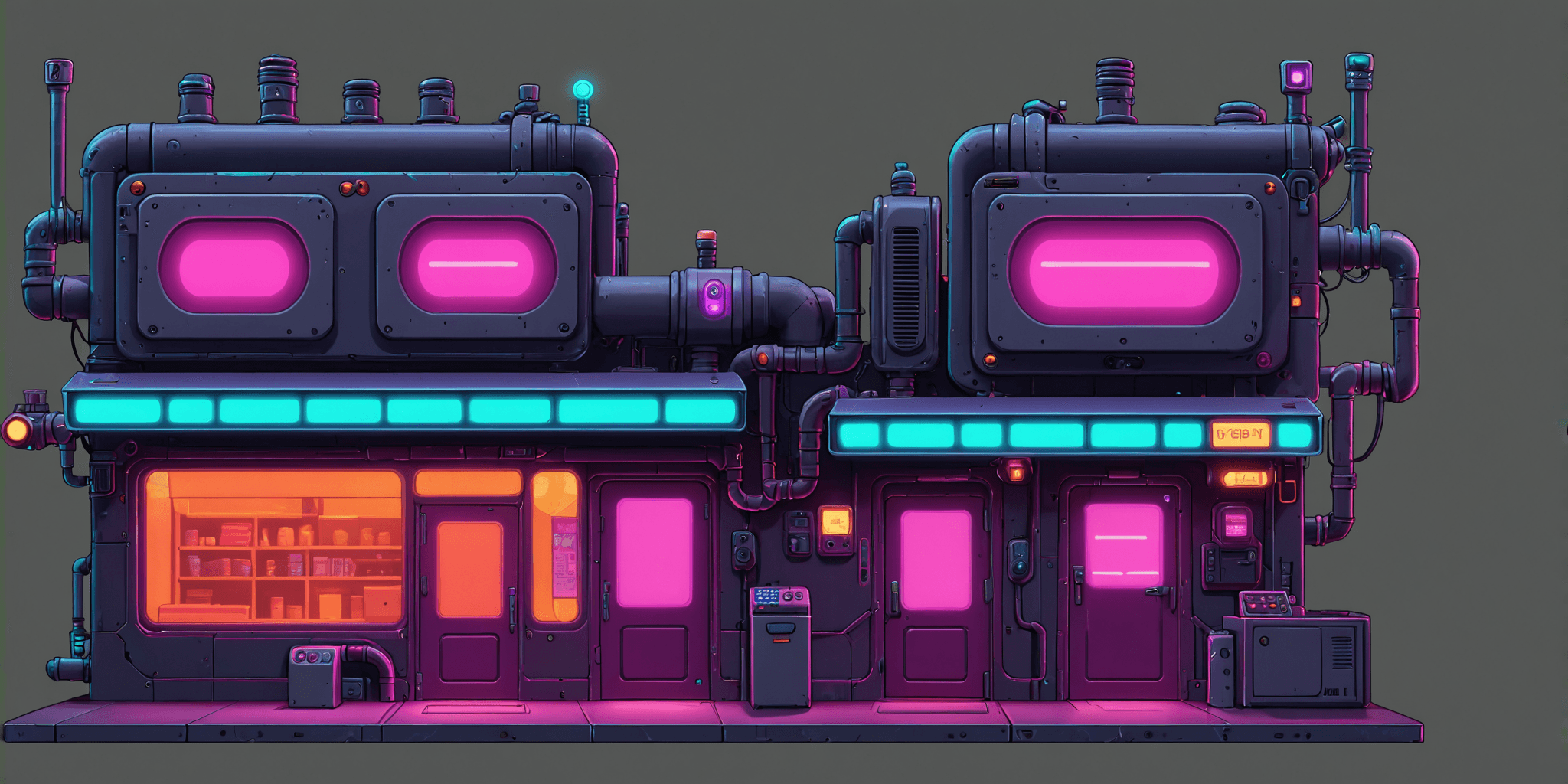
Neon city environment module
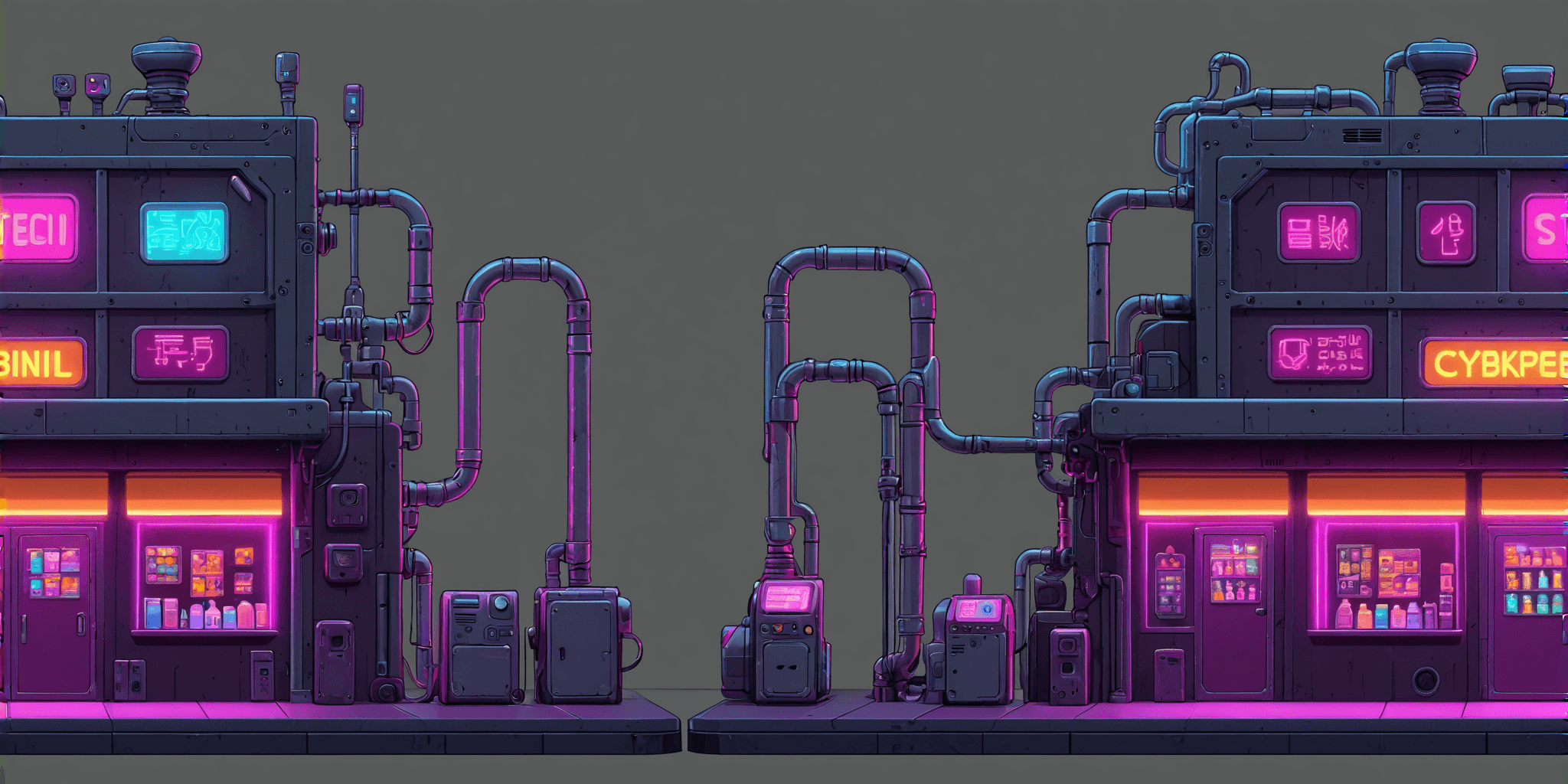
Neon city environment module
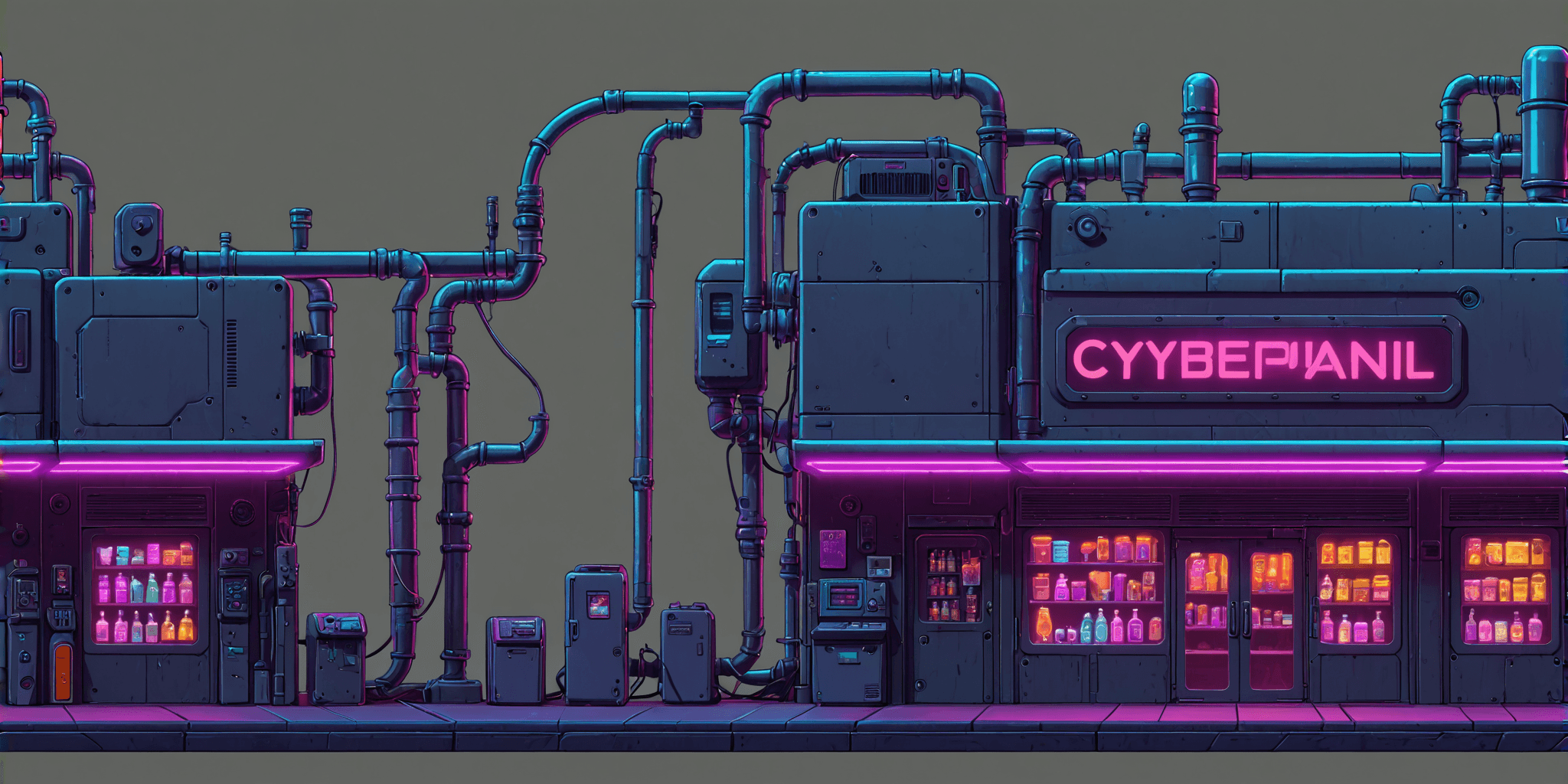
Neon city environment module
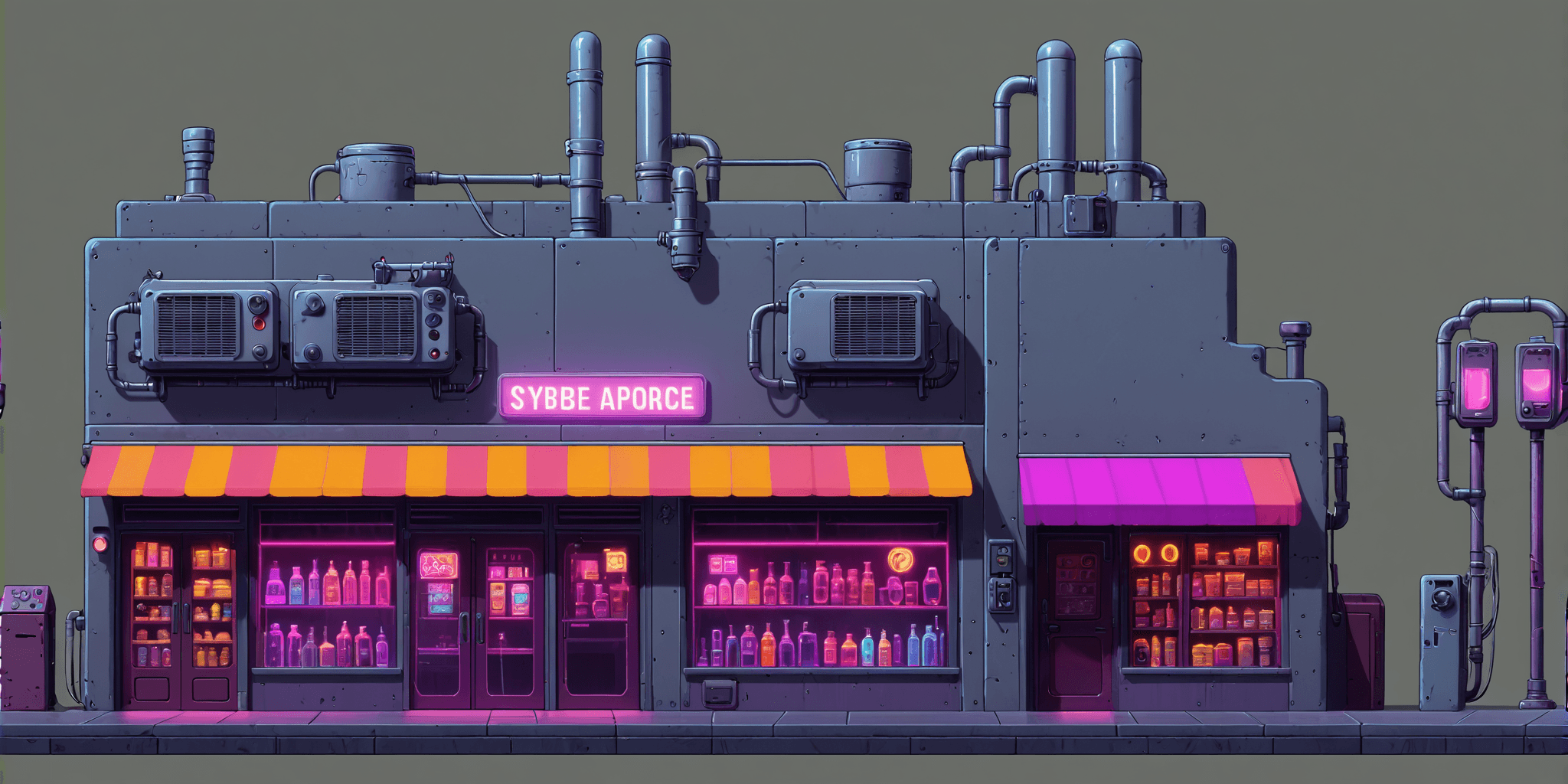
Neon city environment module
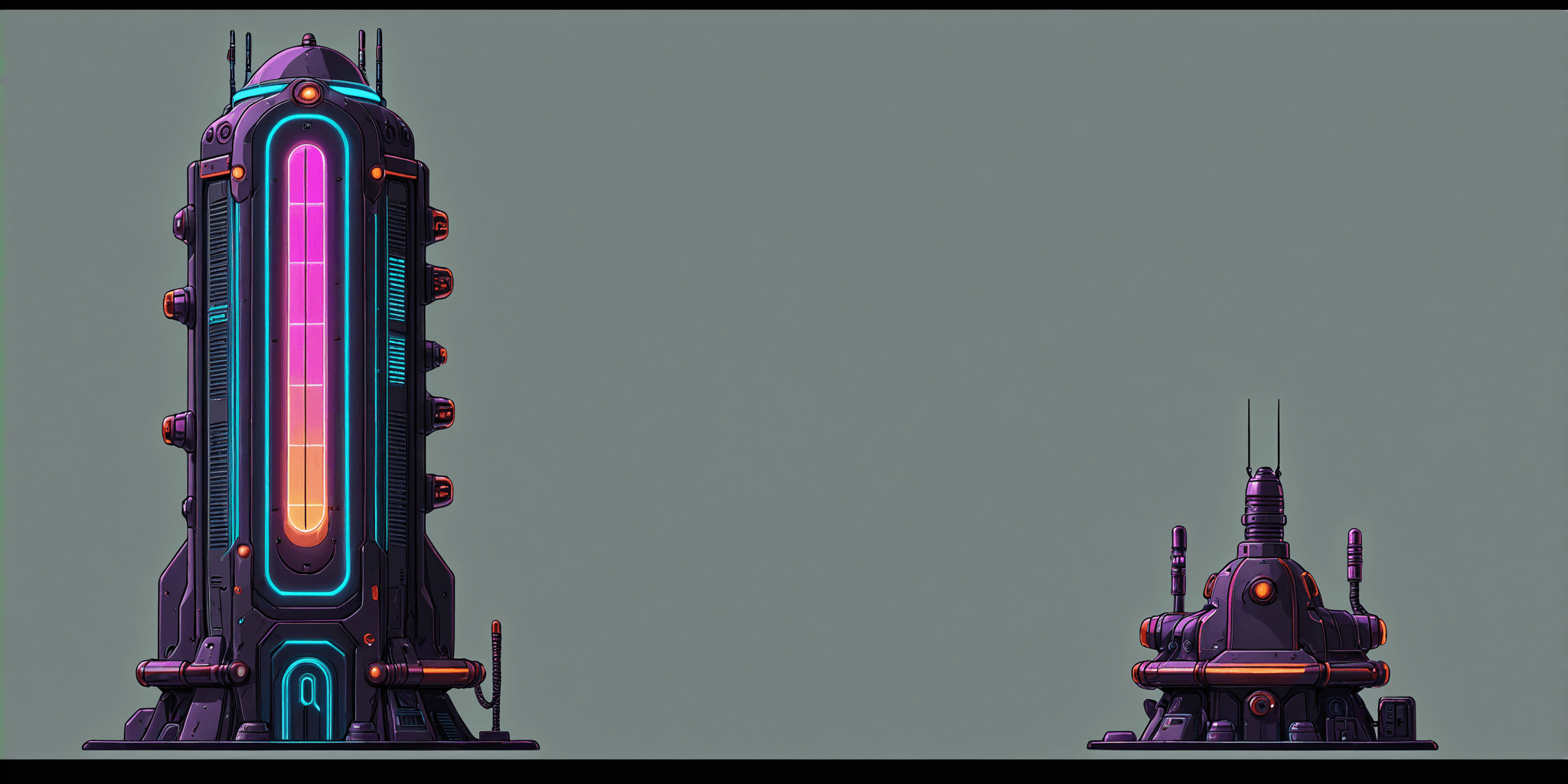
Neon city environment module
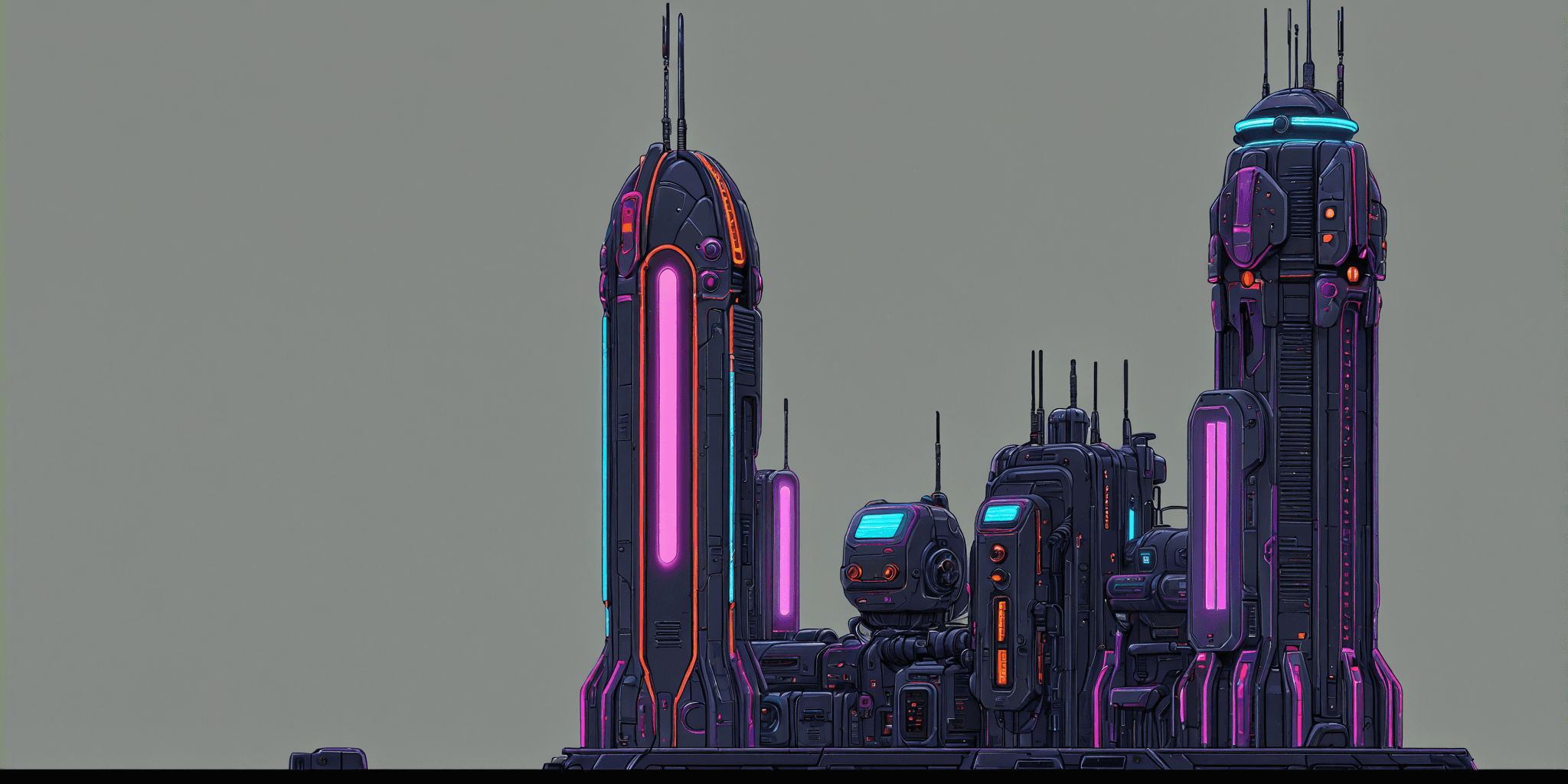
Neon city environment module
From visual exploration to reusable game-ready sets.
Environment pieces, props, platform sets and interface elements were organized as modular packs to support assembly rather than remain isolated concept images.
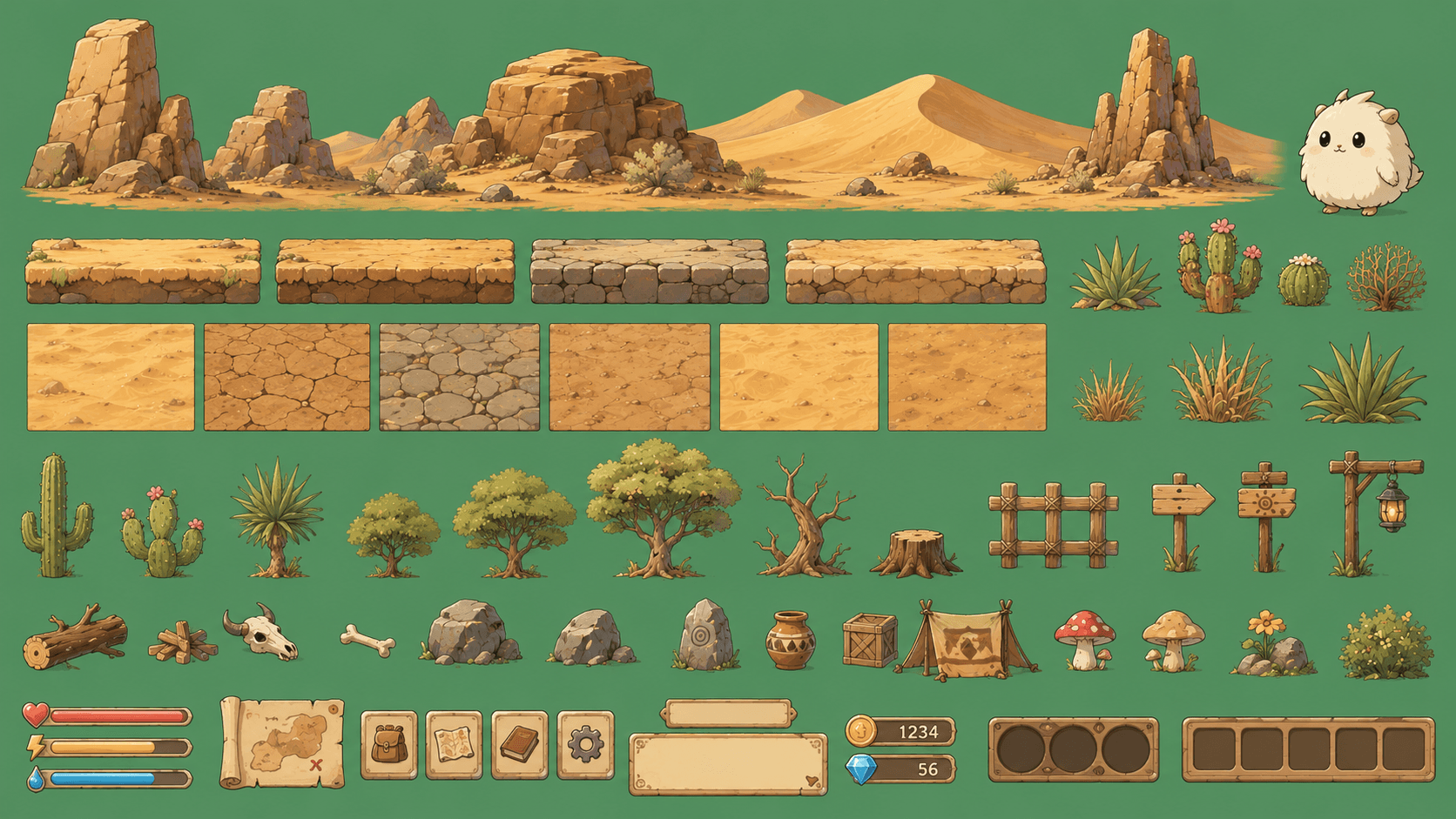
Desert environment asset pack
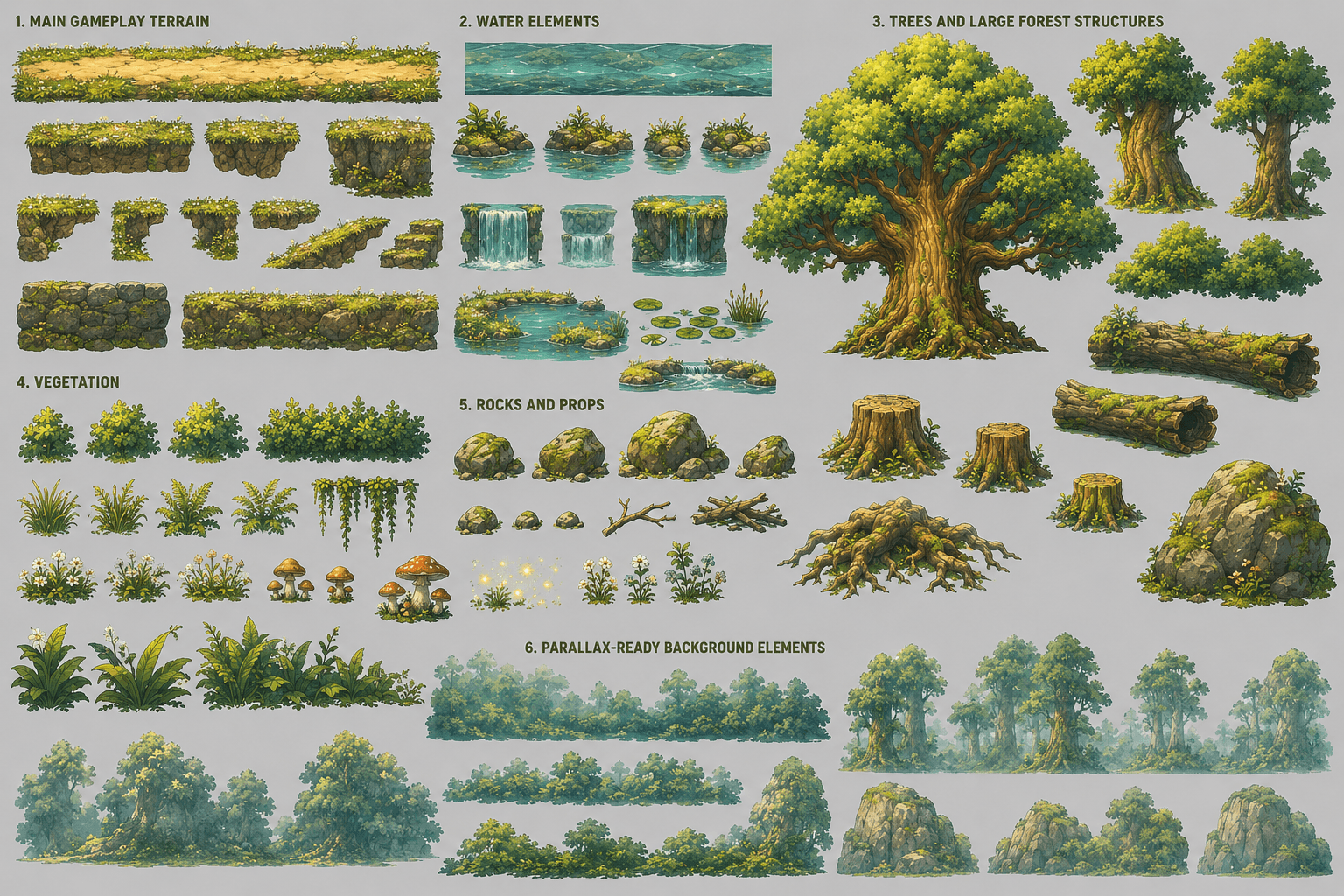
Forest environment asset pack
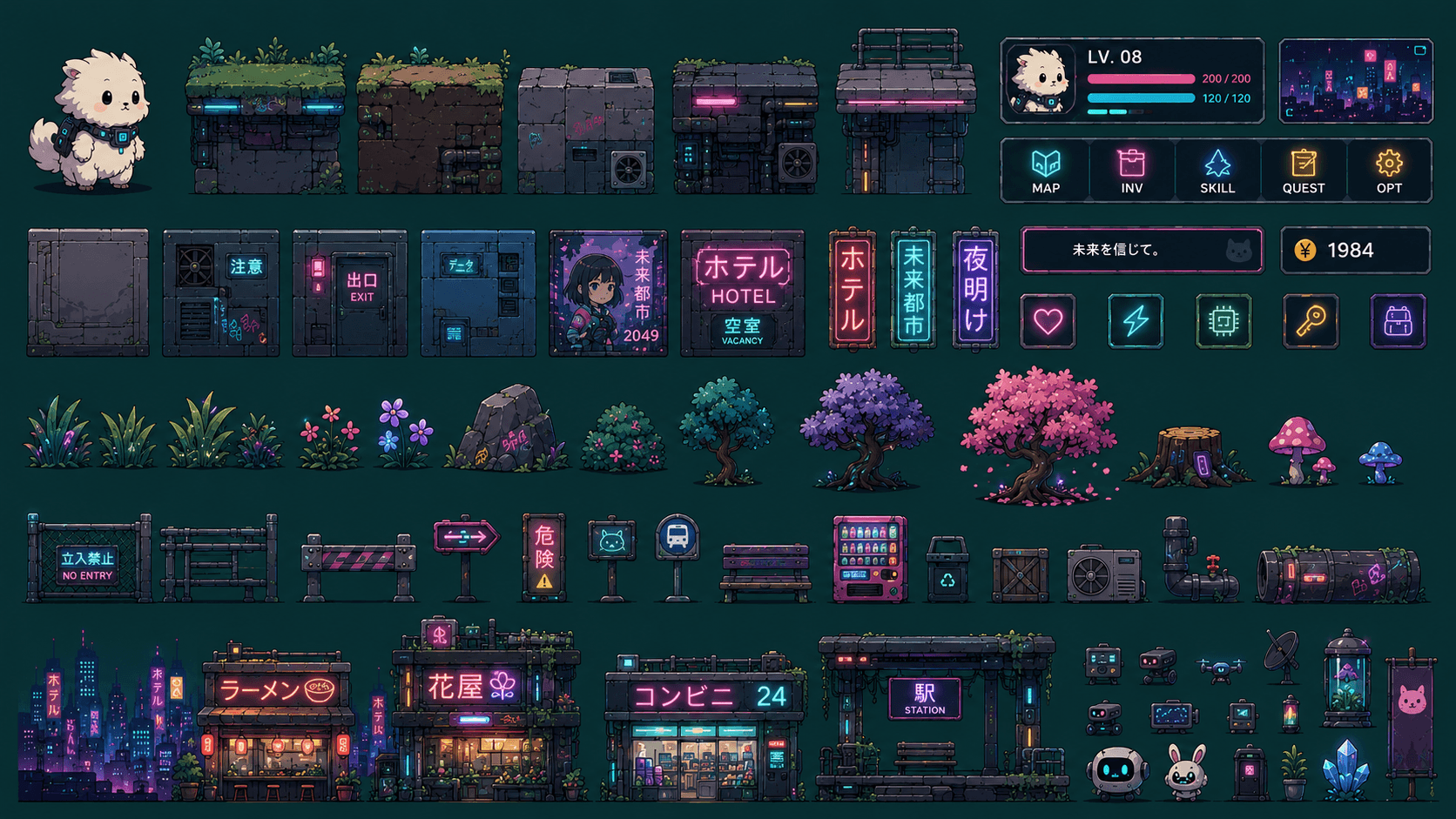
City and interface asset pack
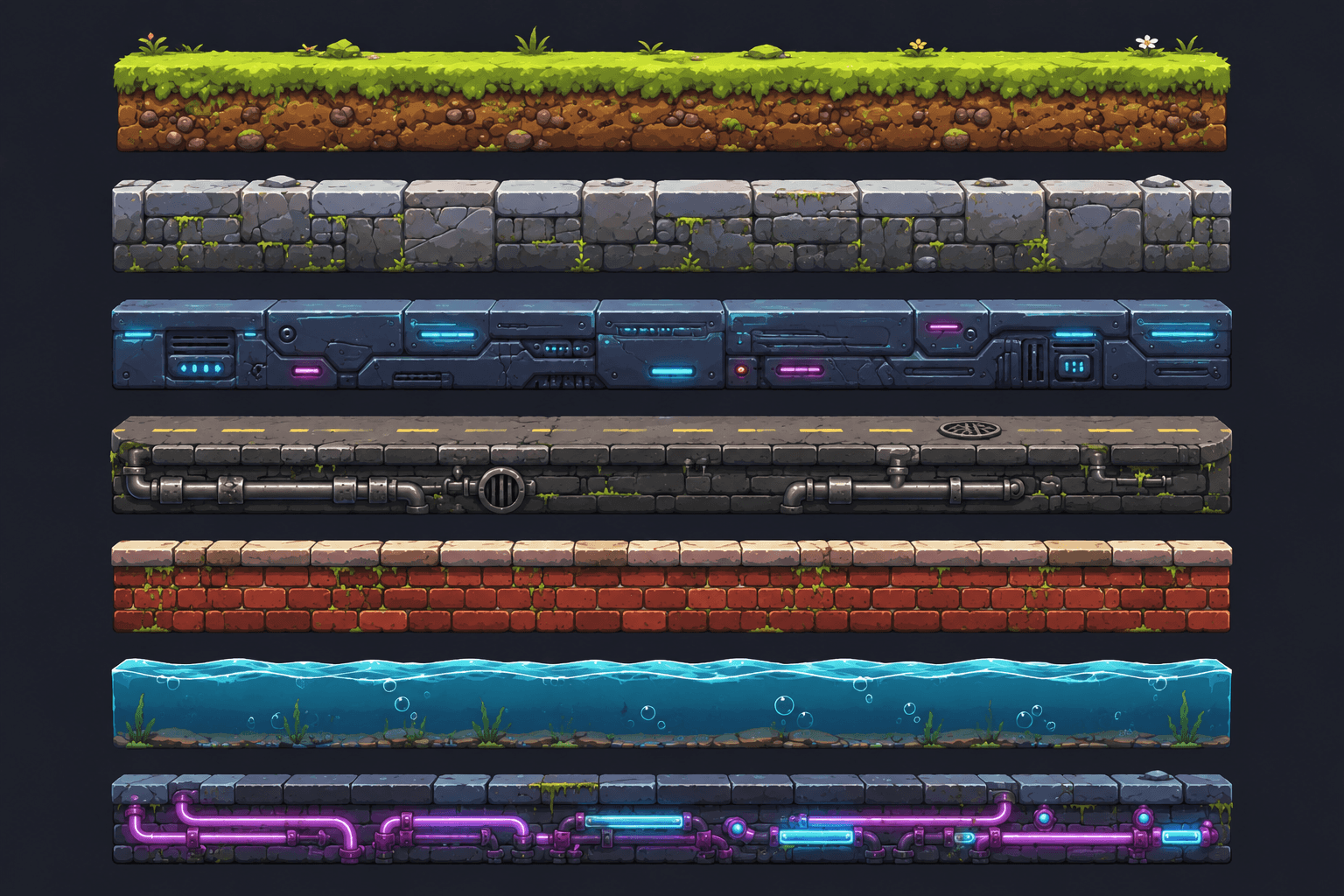
Biome platform set
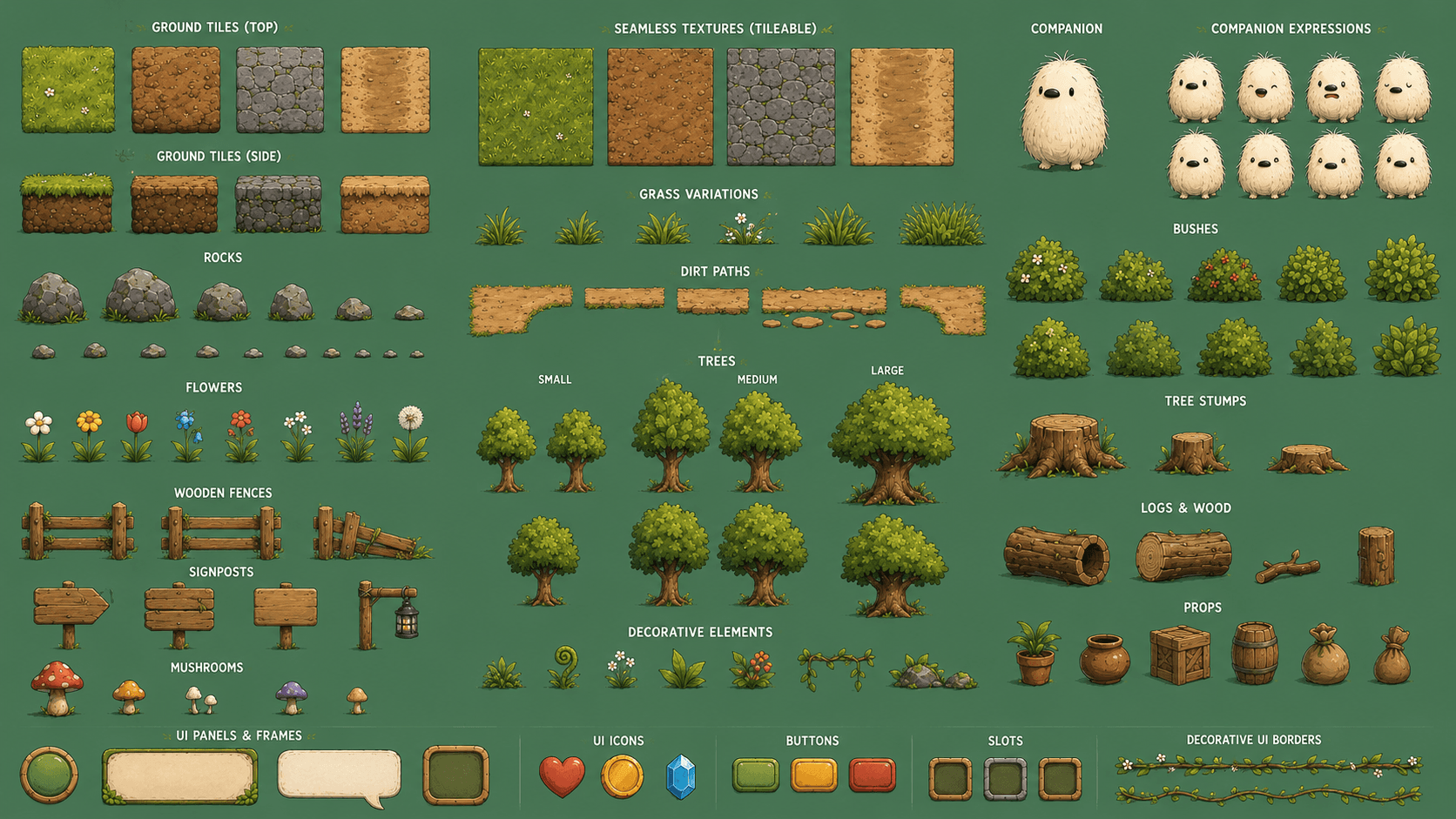
Gameplay prop asset pack
Colour, light and depth beyond the playable plane.
Sky studies extend the world with distinct atmospheric states, giving the 2D environments a broader sense of place and depth.

Atmospheric sky study
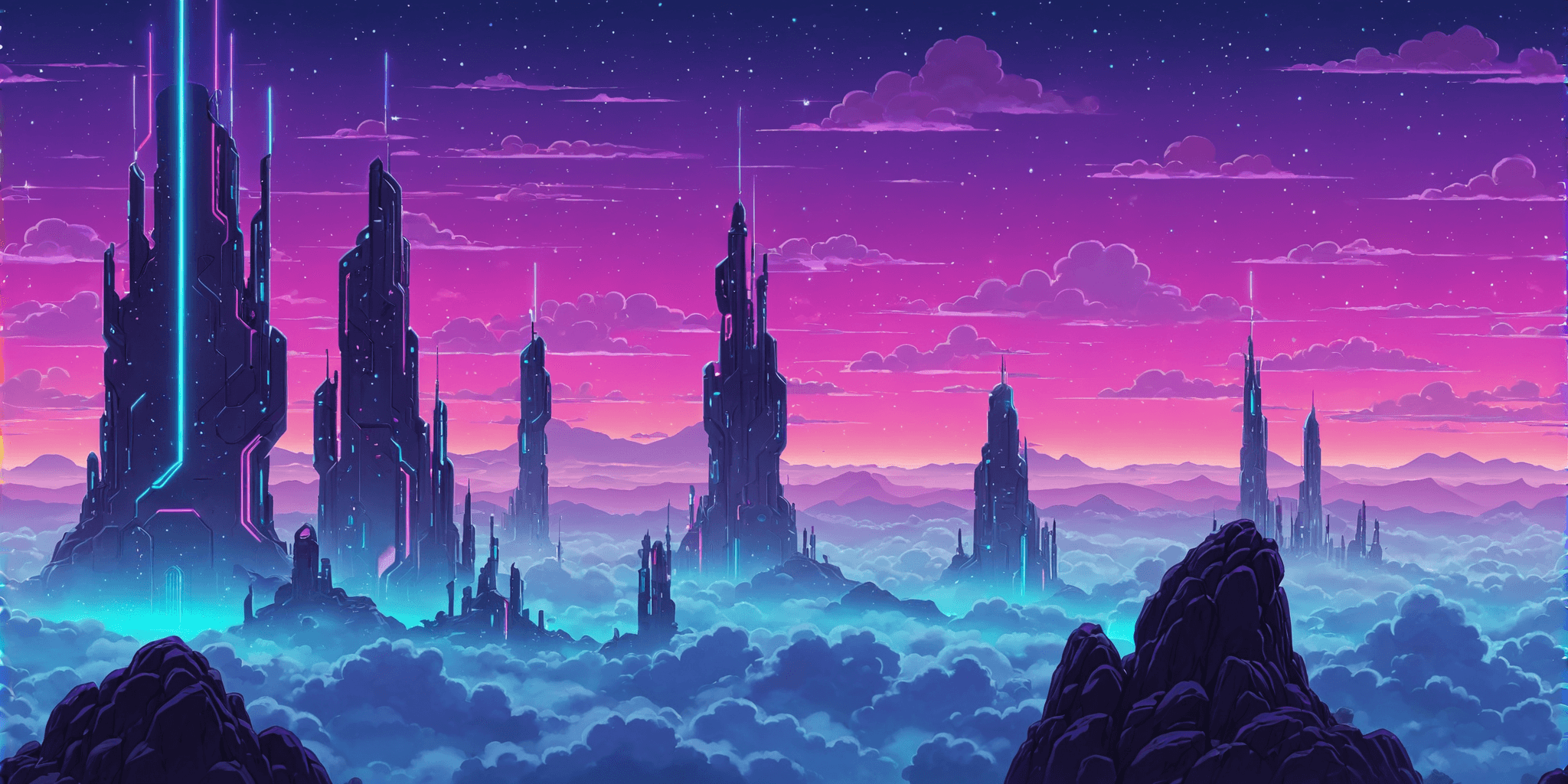
Fantasy skyline study
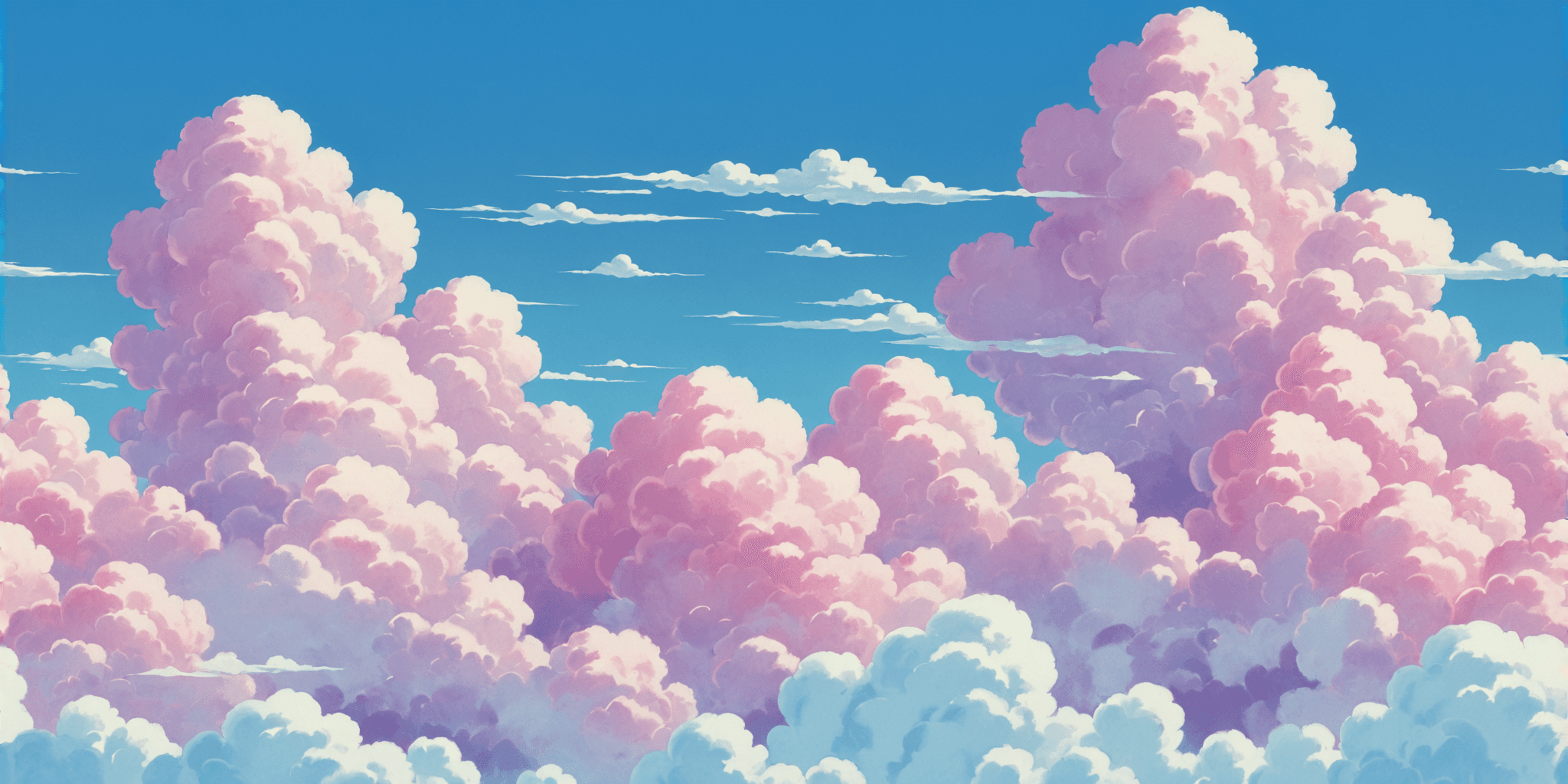
Night atmosphere study

Cloud colour study
Motion developed as source material for gameplay.
Character cycles and environmental effects were explored with Google Flow, then prepared and processed through Blender for use inside the wider realtime production pipeline.
Character idle cycle
Character run cycle
Magical vortex animation plate
Tornado animation plate
Toxic water animation plate
Toxic cloud animation plate
Waterfall animation plate
Waterfall variation plate
Generated assets become a realtime Unity experiment.
Meshy and Tripo were explored for AI-assisted 3D asset generation. The resulting assets were then brought into Unity for animation setup, material and shader work, realtime integration and wider experimentation inside the prototype pipeline. This work is presented as assisted 3D exploration followed by additional realtime development, not as automatic production-ready geometry.
- 01Reference / concept
- 02Meshy + Tripo
- 03Generated 3D asset
- 04Unity
- 05Animation / realtime setup
- 06Shader integration
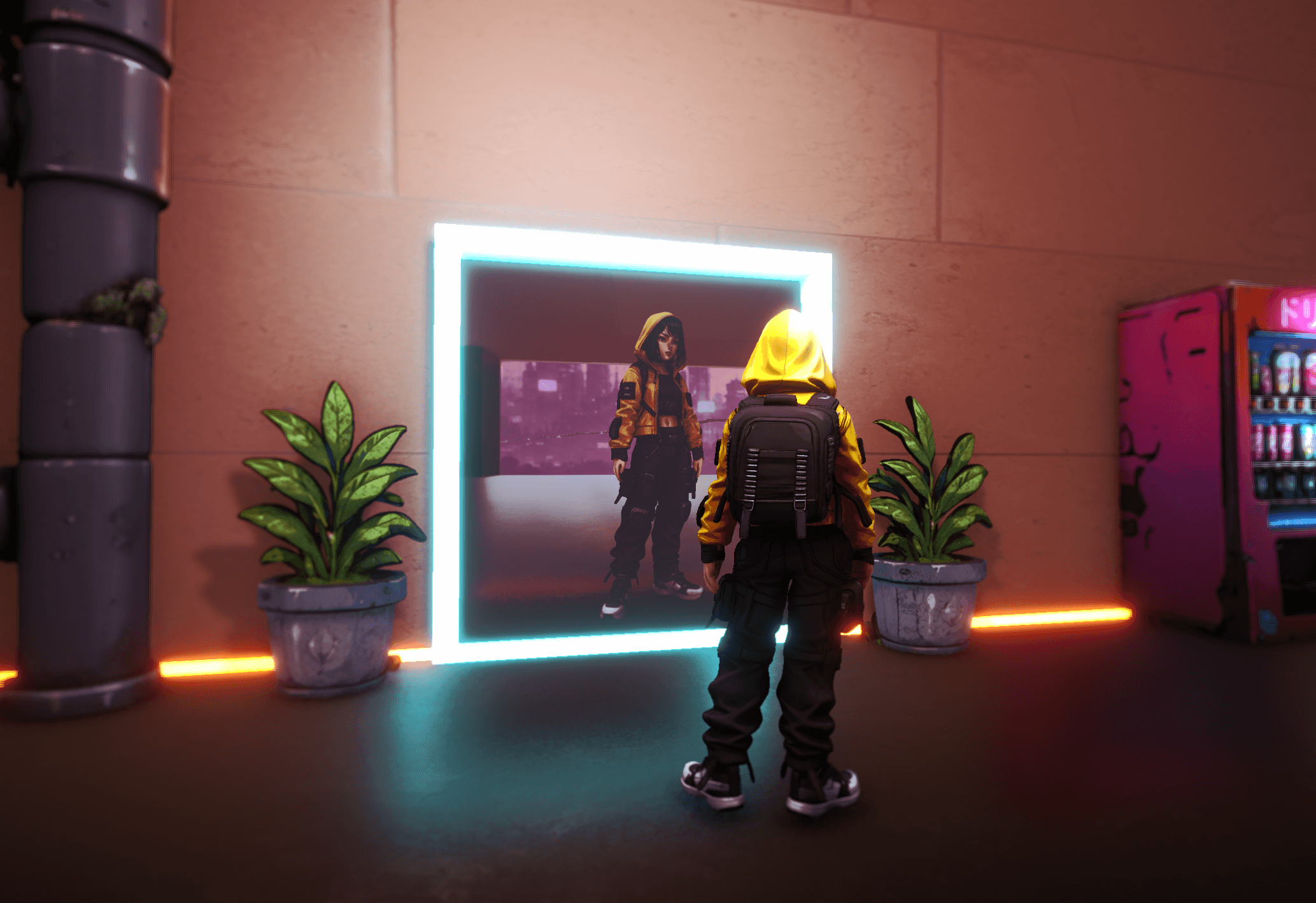
Reference and 3D asset study
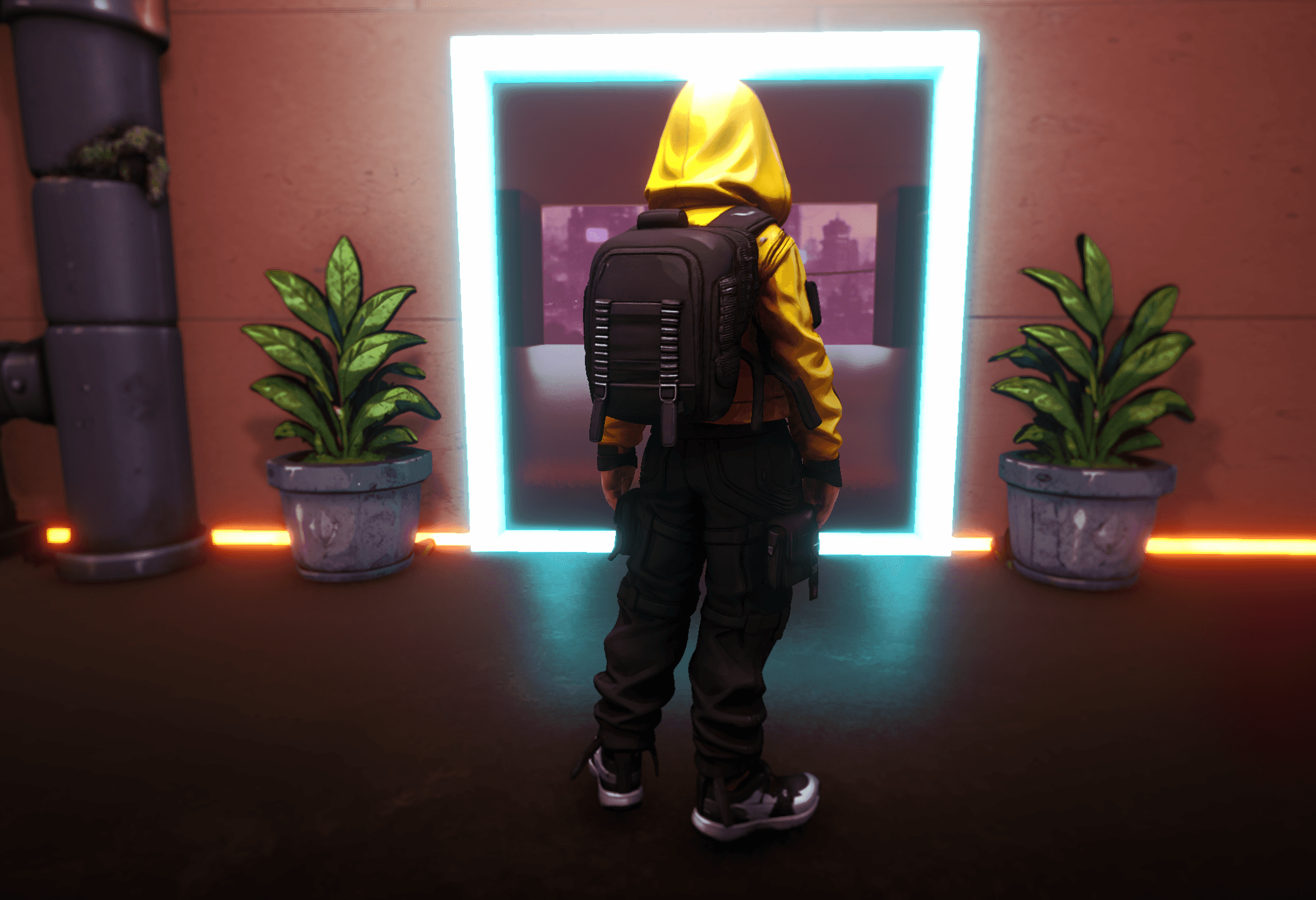
Generated asset / Unity view
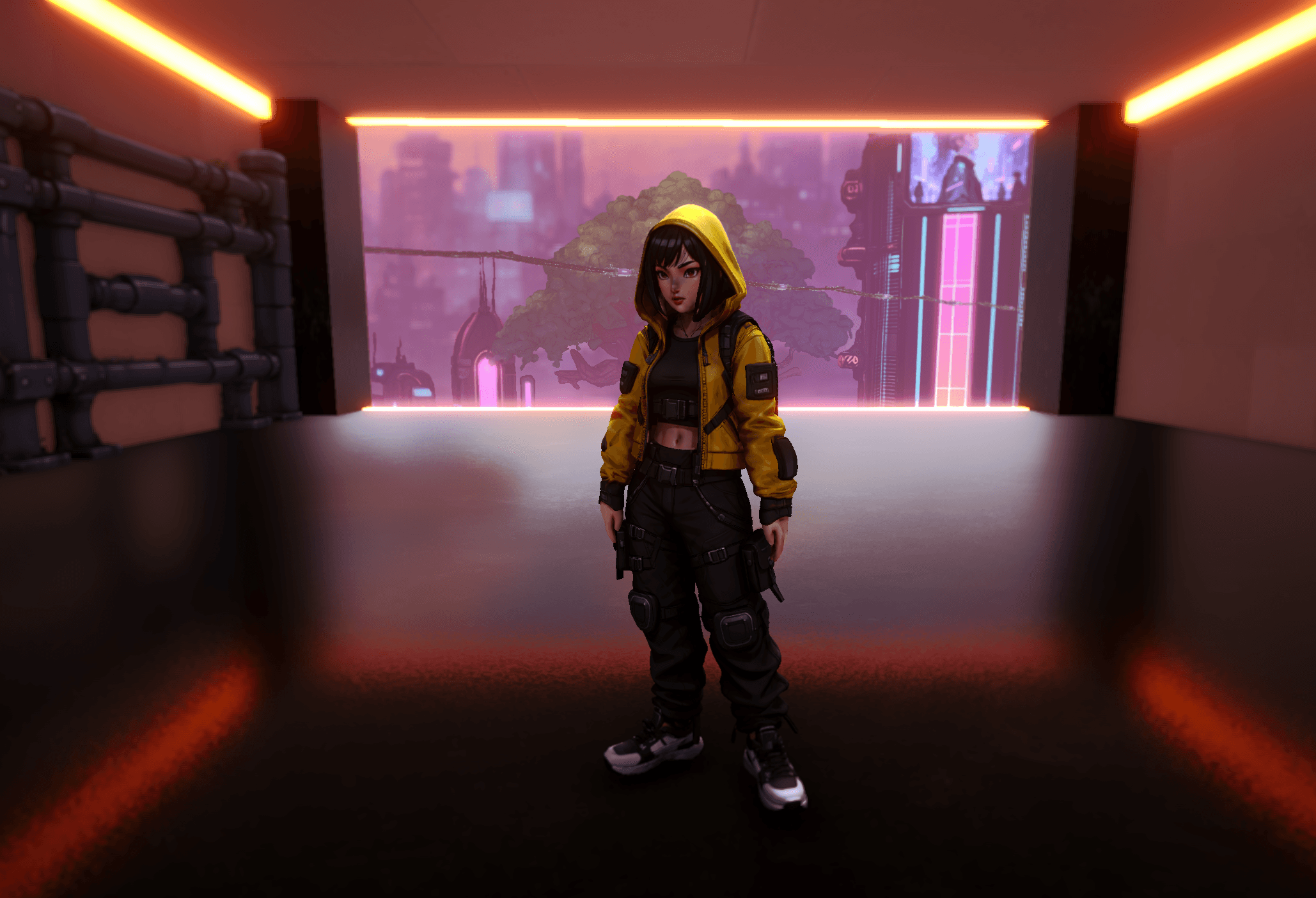
Animation and realtime setup
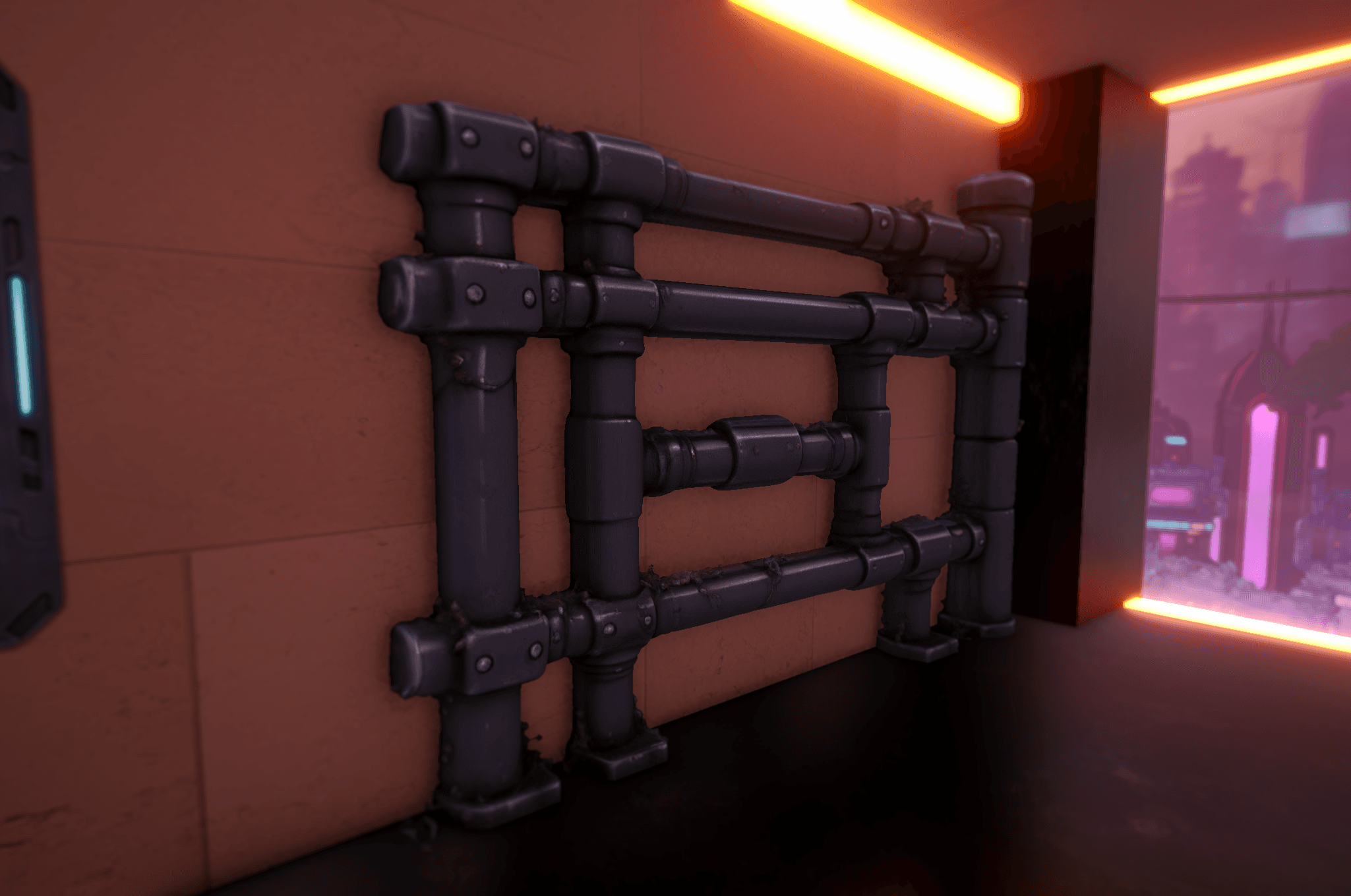
Material and shader study
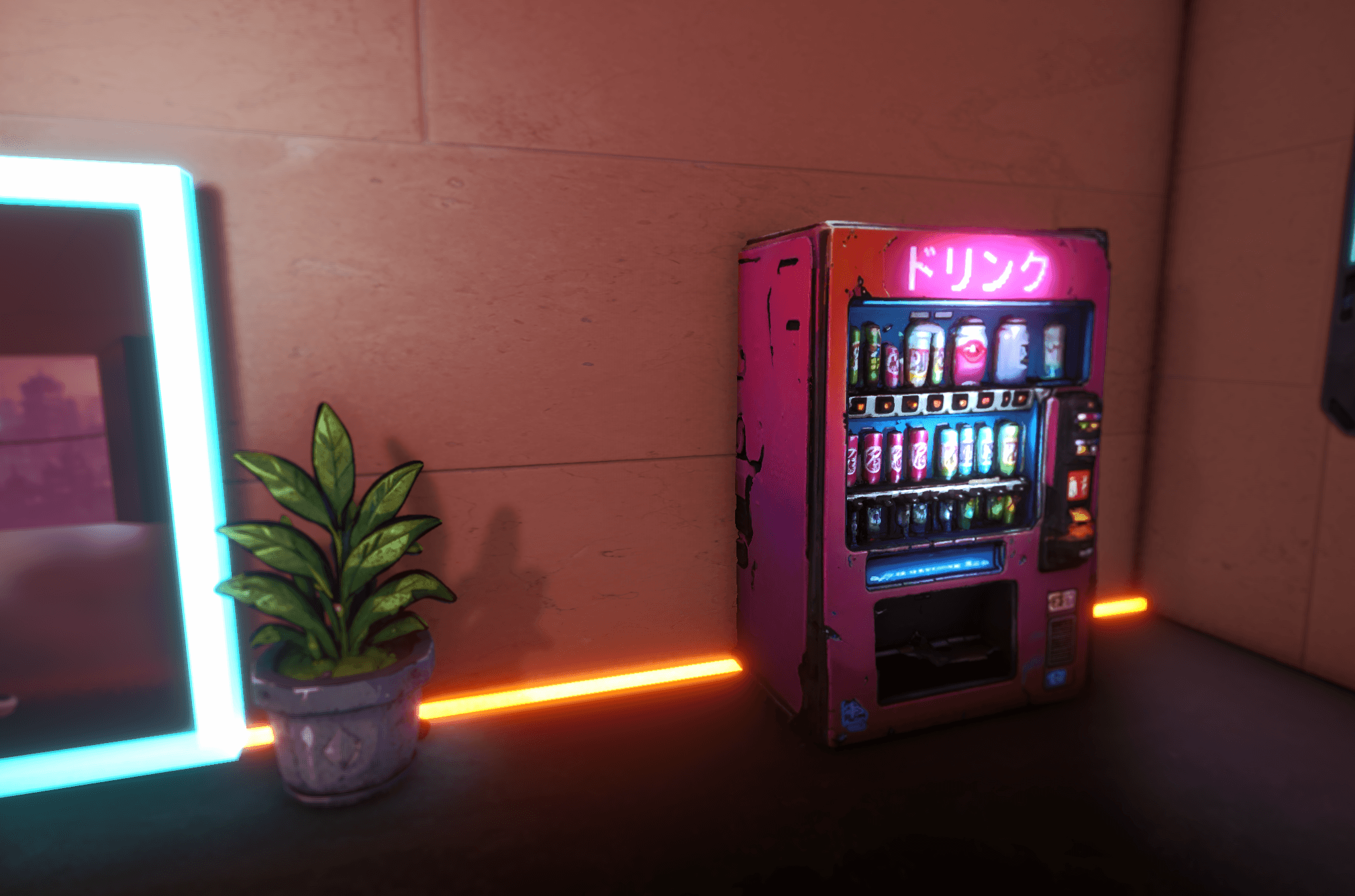
Realtime prop integration
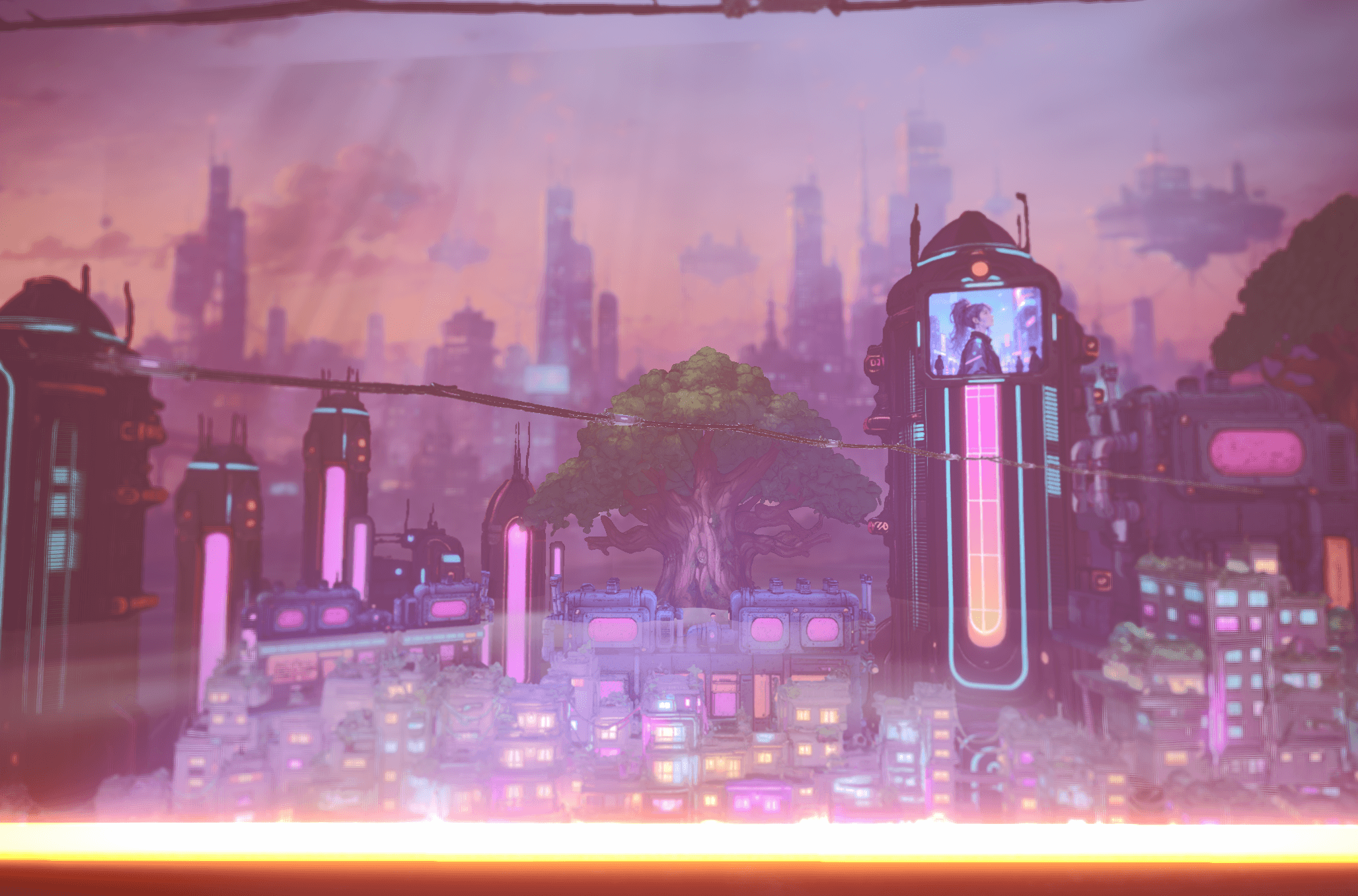
Unity scene integration
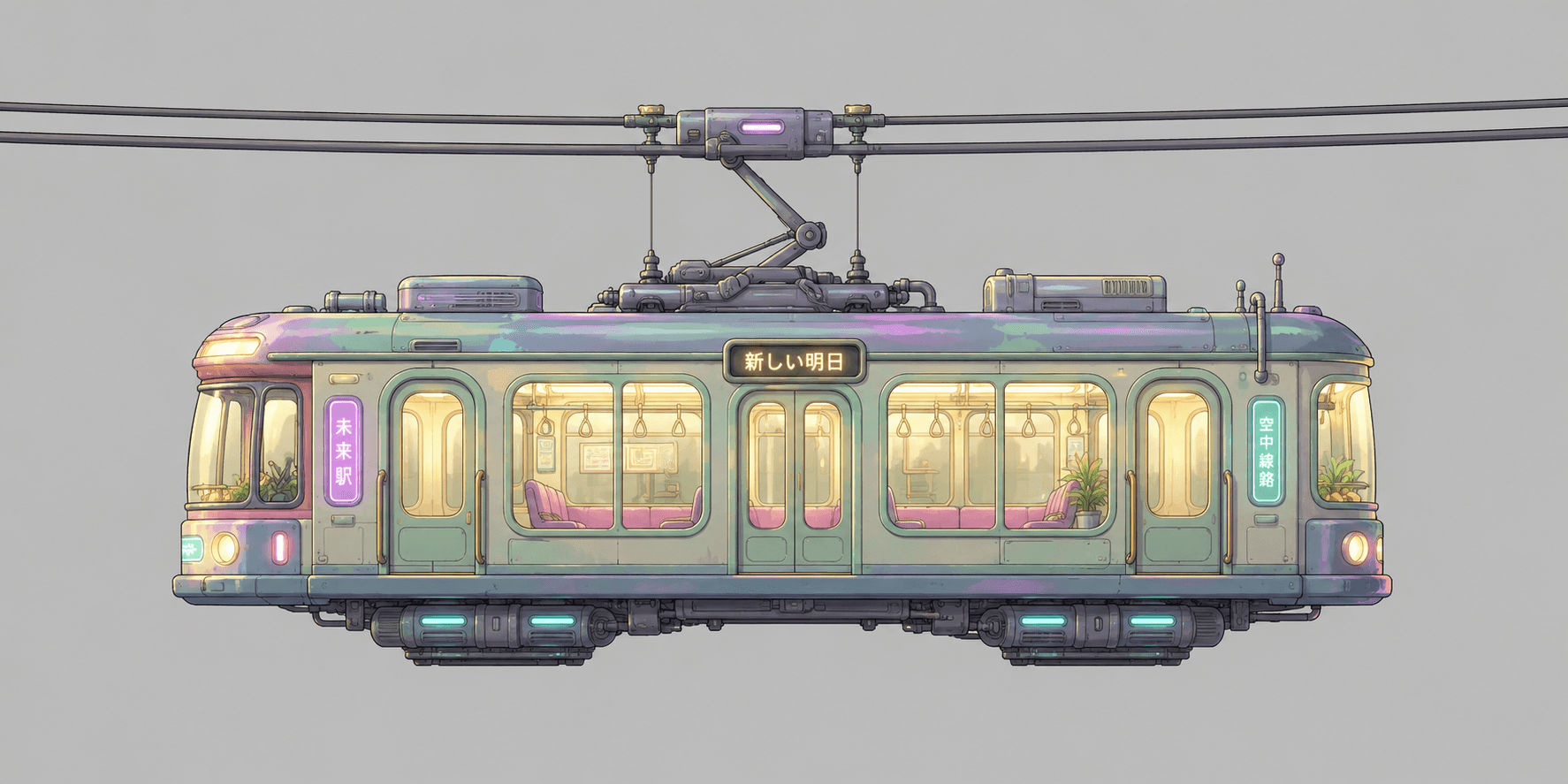
Shader and environment study
Realtime integration walkthrough
A UI language that belongs to the same world.
Dialogue, controls, status elements and HUD components extend the project’s cyan, violet and amber visual logic into the playable interface.
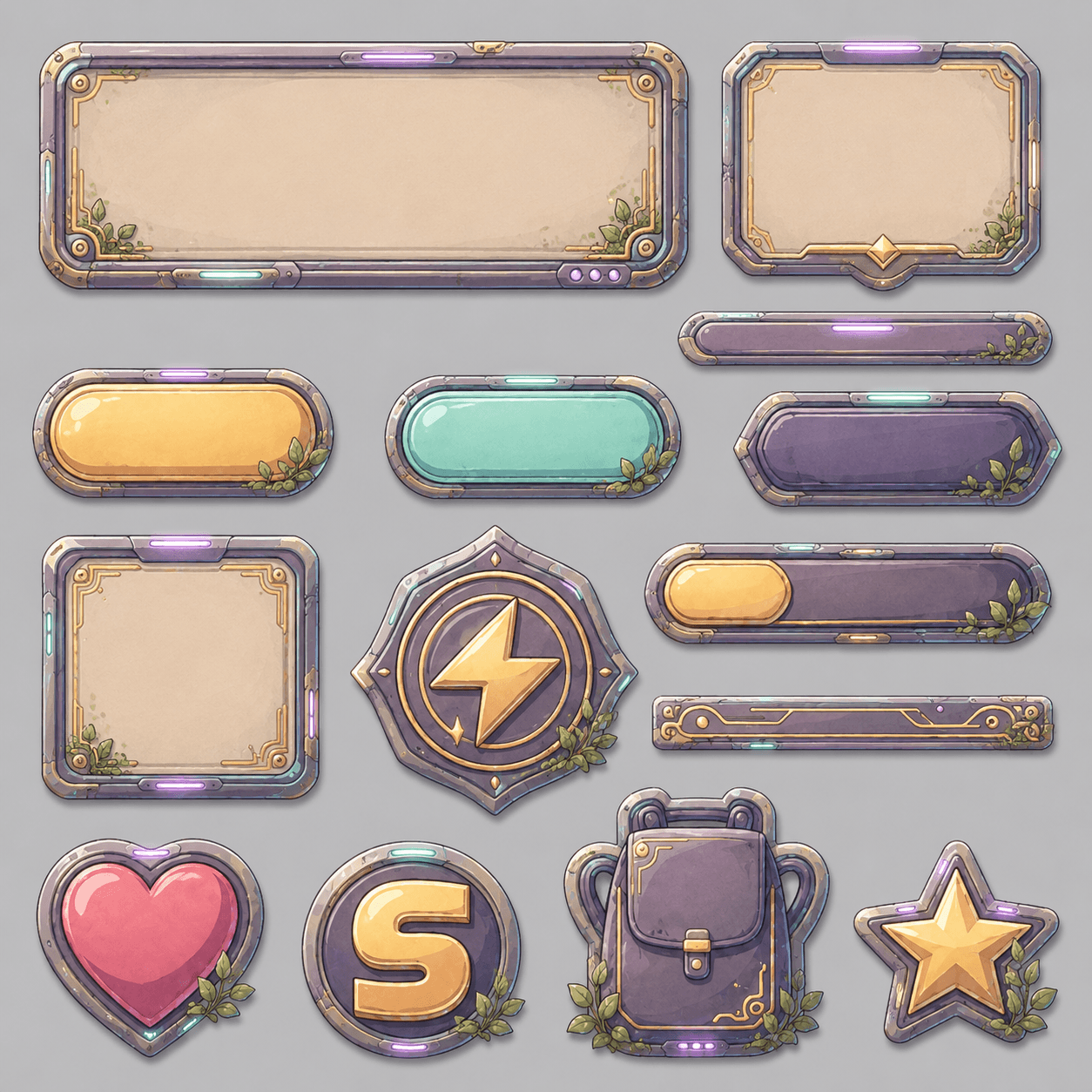
Dialogue and status interface set
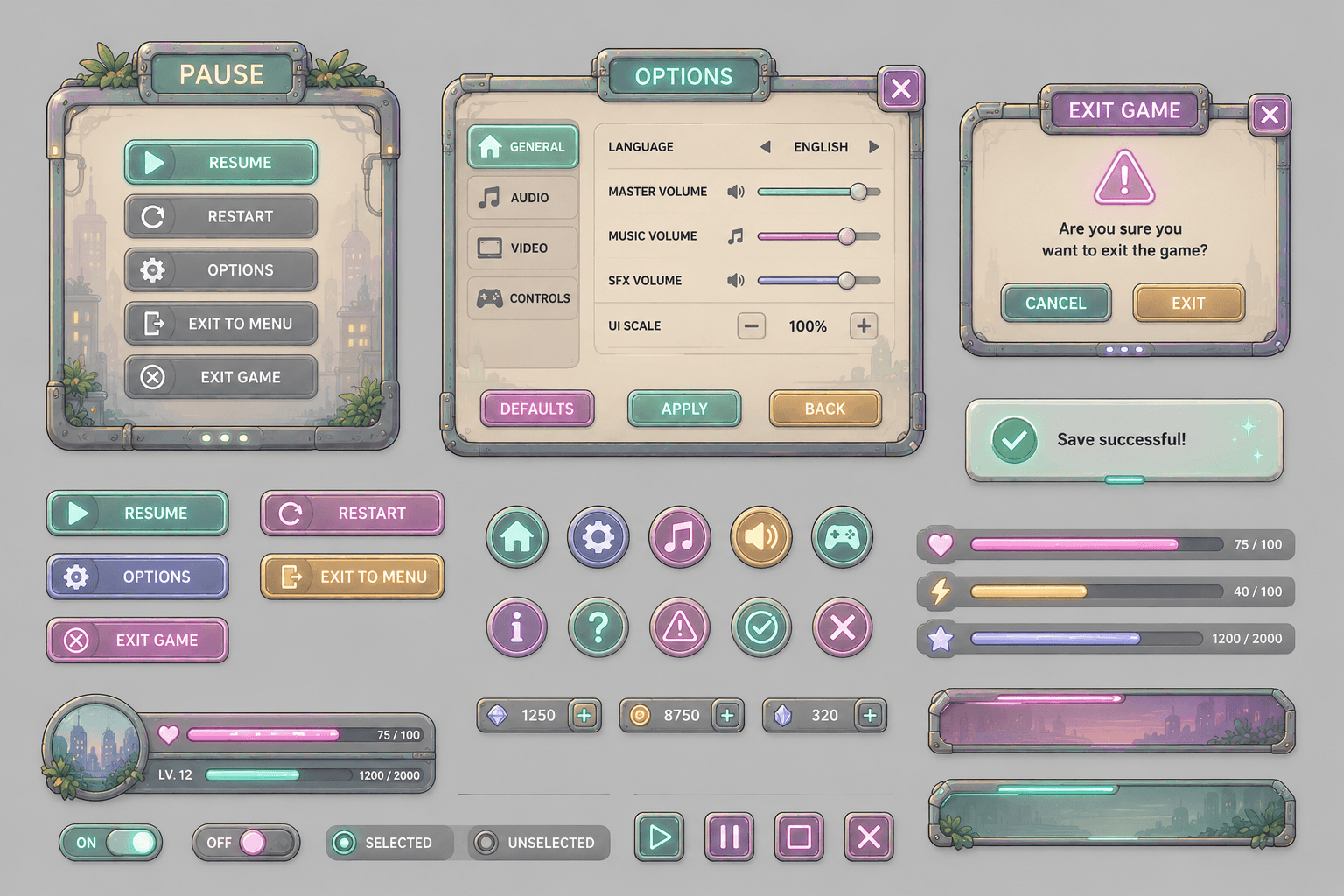
Menu and control interface set
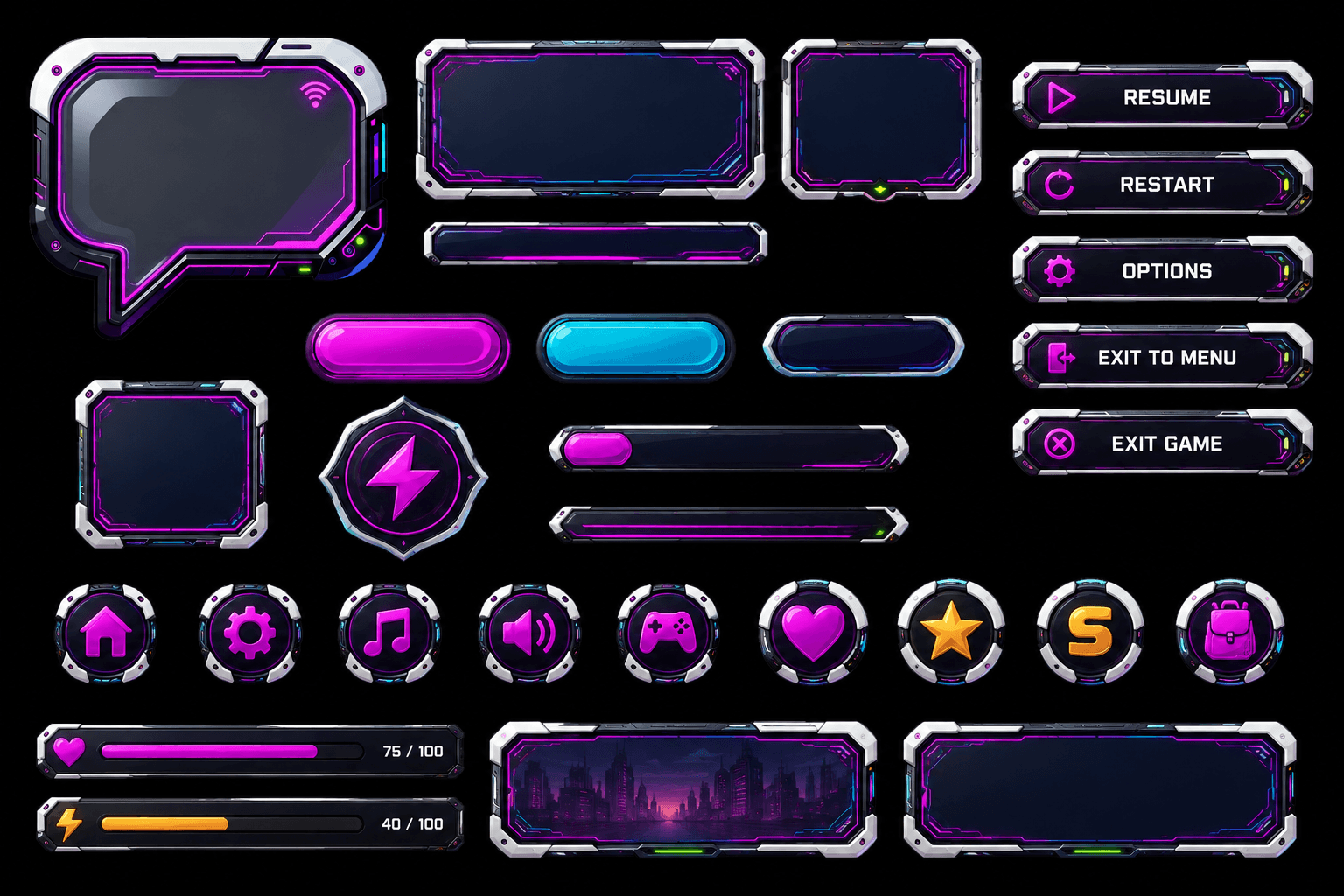
HUD and system interface set
The final layer is the system coming together.
Character, environments, 2D and 3D asset studies, animation, UI and AI-assisted music were assembled into a playable realtime 2D game prototype. The project tests the complete production chain, not a single model or generation technique.
CharacterWorldMotion3D assetsInterfaceRealtime prototype
- 01AI-assisted art direction
- 02Character consistency
- 03Environment generation
- 04Modular asset production
- 05Animation preparation
- 06AI-assisted 3D generation
- 07Meshy and Tripo experimentation
- 08Unity animation tooling
- 09Realtime 3D integration and shader work
- 10UI design
- 11Realtime 2D integration
- 12Cross-tool pipeline orchestration
Next project · 03 / 06
Medtronic↗2025 · Medical / AR / Realtime Development